



Emissions trading system gets new rules







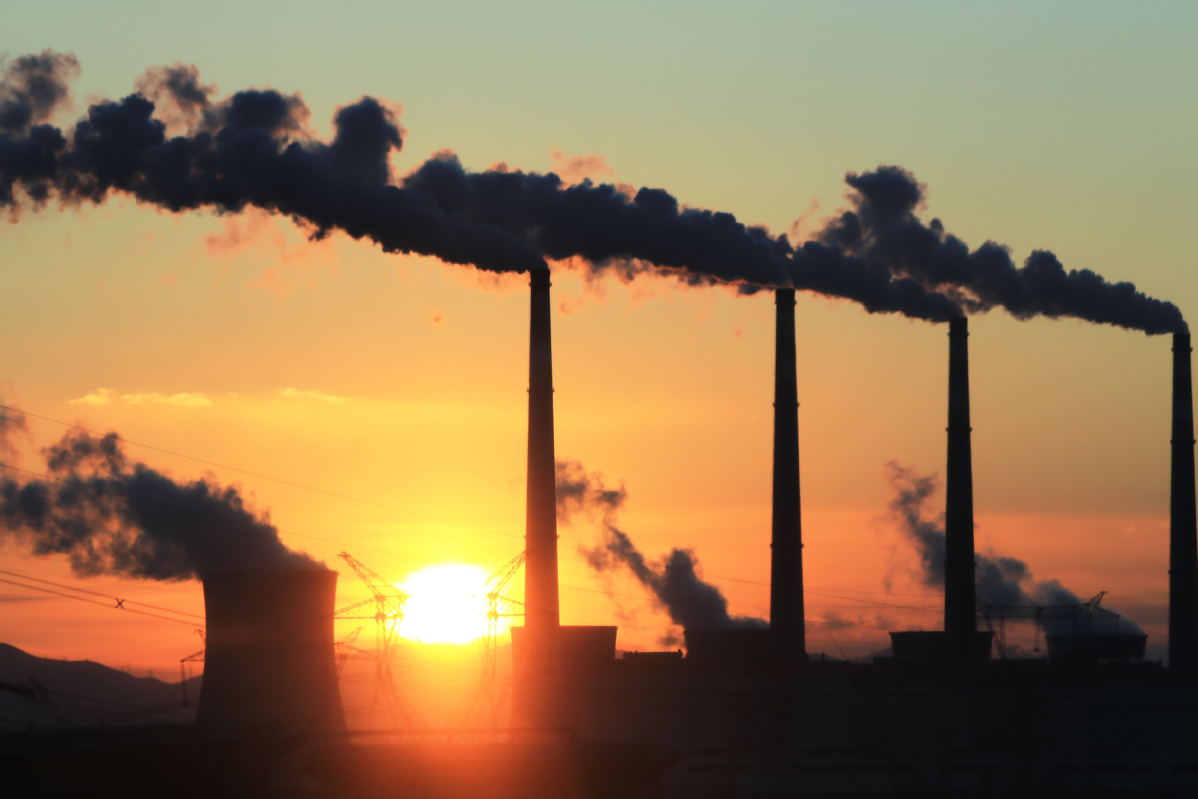
BEIJING-A set of interim rules for carbon emissions trading management in China came into effect on Monday, marking a key step in the establishment of a unified national emissions trading system amid the country's all-out efforts to meet its 2060 carbon-neutral target.
A total of 2,225 power firms across the country assigned with carbon dioxide emission caps can now trade their emission quotas via the system whereby firms that exceed their caps can purchase unused quotas from those with low emissions.
It is the first time China has specified the responsibilities for enterprises in cutting greenhouse gas emissions. This will help boost green development and tackle climate change, said Li Gao, head of the department addressing climate change, affiliated with the Ministry of Ecology and Environment.
Li said that stable carbon trading among power generators will pave the way for the gradual expansion of the national ETS to include more industries, trading varieties and trading modes, thus promoting the system's healthy and sustainable development.
China has announced that it will strive to bring its carbon emissions to a peak before 2030 and become carbon neutral before 2060.
In an effort to build a national ETS, the country has been piloting emissions trading at the regional level since 2011, covering seven provinces and cities including Beijing, Shanghai and Guangdong.
The pilot programs have driven major polluters to significantly reduce their emissions over the years.
At the China Emissions Exchange (Guangzhou), the country's largest local carbon market, carbon emissions of listed enterprises in the power generation, cement, steel and petrochemical sectors dropped by 12.3 percent from 2013 to 2019.
About 250 major carbon emitters in Guangdong are listed on the exchange. They account for nearly 70 percent of energy-related carbon emissions in the province.
Data from the exchange show that the carbon intensity, or carbon emissions per unit of GDP, of listed enterprises in the secondary industry shrank by 21.6 percent from 2013 to 2019.
Chai Qimin, who heads the strategic planning department of the National Center for Climate Change Strategy and International Cooperation, said the construction of a national emissions trading system can connect the various local markets around the country, enhancing market liquidity and reducing trading costs for enterprises.
New power, fewer emissions
In a bid to achieve its ambitious carbon-neutral target, China is striving to slash its carbon emissions by replacing fossil fuels with renewable energy.
The country has vowed to increase the share of non-fossil fuels in primary energy consumption to around 25 percent by 2030, and bring its total installed capacity of wind and solar power to more than 1.2 billion kilowatts.
In North China's Inner Mongolia autonomous region, a major coal-producing area, 36 wind power plants with a combined installed capacity of nearly 7 million kW were connected to the power grid in early January in the region's latest effort to curb carbon emissions.
The total installed capacity of renewable energy in Inner Mongolia has reached 50 million kW, providing about one-fifth of total electricity consumption in the region, said the regional energy bureau.
As of December, China's total installed capacity of wind power had reached 229 million kW, while solar cells across the country reached a combined installed capacity of 228 million kW.
On the consumption end, Shanghai has pledged to lower the proportion of coal in its primary energy consumption to around 30 percent by 2025, and add about 200,000 public charging piles for new energy vehicles, according to a government work report released at the annual session of the local people's congress in January.



















