



Solving the plastic pollution crisis — SUEZ's commitment to plastic recycling







Introduction: About a century ago, plastic, an affordable and easy-to-use material that quickly became part of our everyday lives, was invented. While bringing us convenience, the inconvenient truth, that has been known for several decades, is that most plastic waste is neither biodegradable nor properly recycled, causing great harm to the environment and living organisms. What can be done to change the status quo? What is China's role in this fight against plastic waste? How can enterprises contribute to the fight in terms of technology and services? Let's hear what Steve Clark, CEO of SUEZ Asia, has to say.
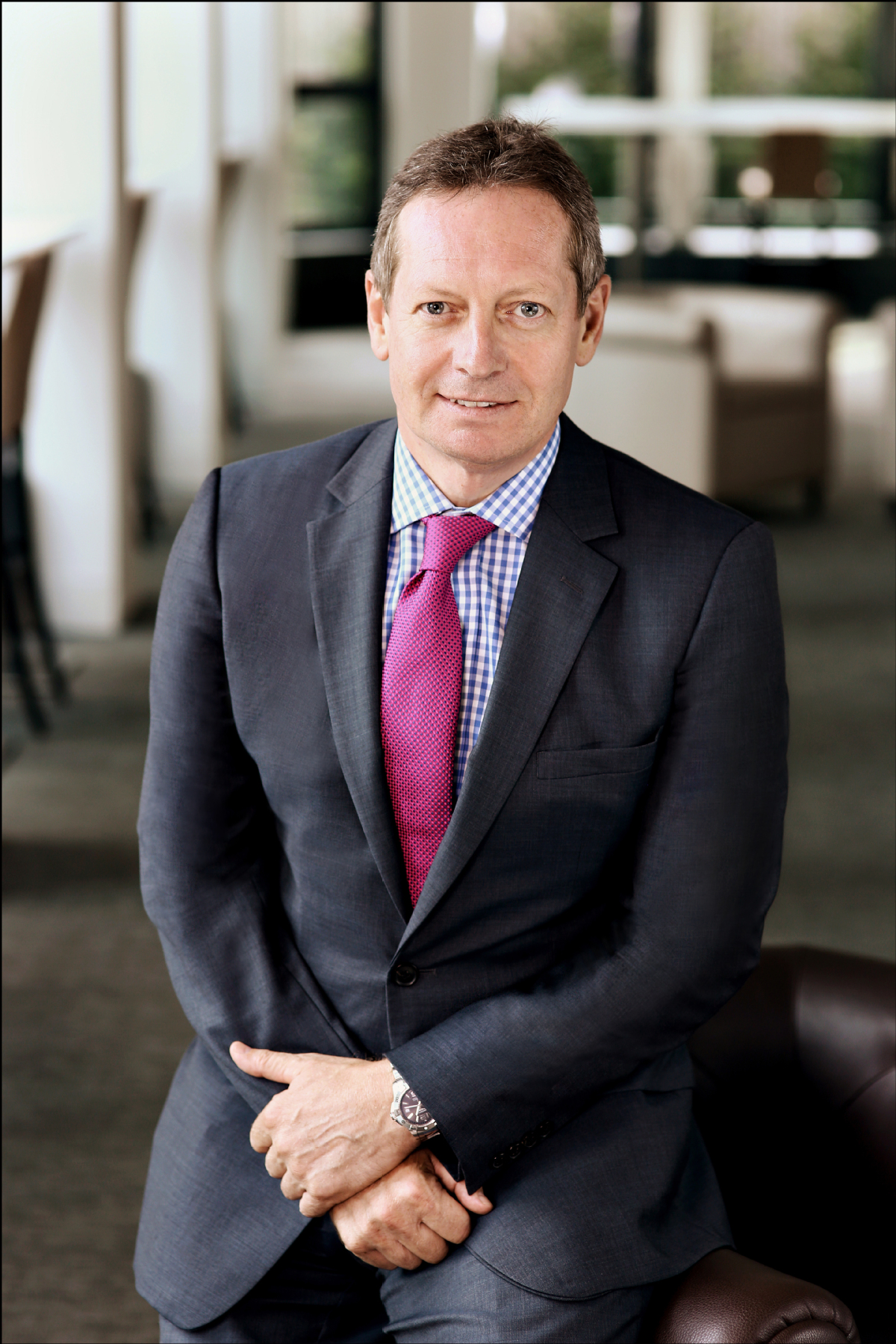
What do you think of China's recent efforts to clean up the environment and limit plastic waste?
The 19th CPC Central Committee's Fifth Plenary session ended in late October and during the session there were strong calls for green development and for harmonious coexistence between man and nature. At that meeting, important steps to furthering China's sustainable development strategy, aligning diverse efforts towards ecological progress, and accelerating the transition to green, low-carbon development, were outlined. The talks highlighted China's commitment towards action, as well as its commitment towards its responsibility as a major global actor.
In terms of limiting plastic waste, I understand that, by the end of 2022, China will have banned the use of non-degradable plastic bags in all built-up areas of cities above prefecture level, as well as in counties in coastal provinces. Additionally, star hotels and restaurants across the country will no longer provide disposable plastic products. Moreover, postal and courier service providers in Beijing, Shanghai, Jiangsu, Zhejiang, Fujian and Guangdong, as first movers, will have discontinued the use of non-degradable plastic bags and single-use plastic woven bags. This is a very clear indication that avoiding plastic waste is an important part of China's ambition to improve the environment.
What plastic recycling solutions does SUEZ offer globally that can help address plastic pollution in China?
With a history in the water and waste sectors stretching back over 160 years, SUEZ is working on all 5 continents to help cities and industries manage their resources smartly and sustainably. SUEZ is one of the first foreign enterprises to invest in China. Our presence in the region for more than 45 years makes SUEZ a preferred partner in helping authorities and industrial clients develop innovative solutions for climate change and sustainable resource management. We understand the true value of plastic waste. We have demonstrated an enduring commitment to mechanical plastic recycling with many facilities worldwide and have invested in research, as well as in innovation, for over 15 years. Plastic waste is an amazing resource if we know how to transform it into safe, competitive secondary raw materials that mitigate environmental consequences. Each year, SUEZ processes nearly 450,000 tonnes of plastic waste and produces 150,000 tonnes of circular polymers at nine specialist factories around the world. Our strategy for China is to use our existing strong, local presence and experience in the environment sector to grow a plastic recycling business that will help China meet its ambitious goals. We will use our local teams but with support coming from our international experience.
For example, in Sittard-Geleen, in the Netherlands, our Quality Circular Polymer plant supplies recycled plastic to Samsonite for making a new collection of travel cases that match virgin materials in terms of feel and performance. In France, we work with Procter & Gamble (P&G), providing it with quality recycled polymers for its limited-edition Head & Shoulders shampoo bottles. A result of joint R&D between SUEZ and P&G, this is the first shampoo bottle made of 25% recycled beach plastic. We also work with our partner TerraCycle to produce a beach mat that is also made 100% from recycled plastic.
What are the specific SUEZ solutions for recycling plastic waste in Asia?
Every year, over 8 million tonnes of plastic waste are dumped into the ocean globally, of which Southeast Asia is a major contributor. In Thailand, of the 2 million tonnes of plastic waste produced each year, only one quarter is recycled. That is why we chose to start in Thailand by building and operating our first Asian circular polymer plant, which was officially commissioned on 3 December 2020.
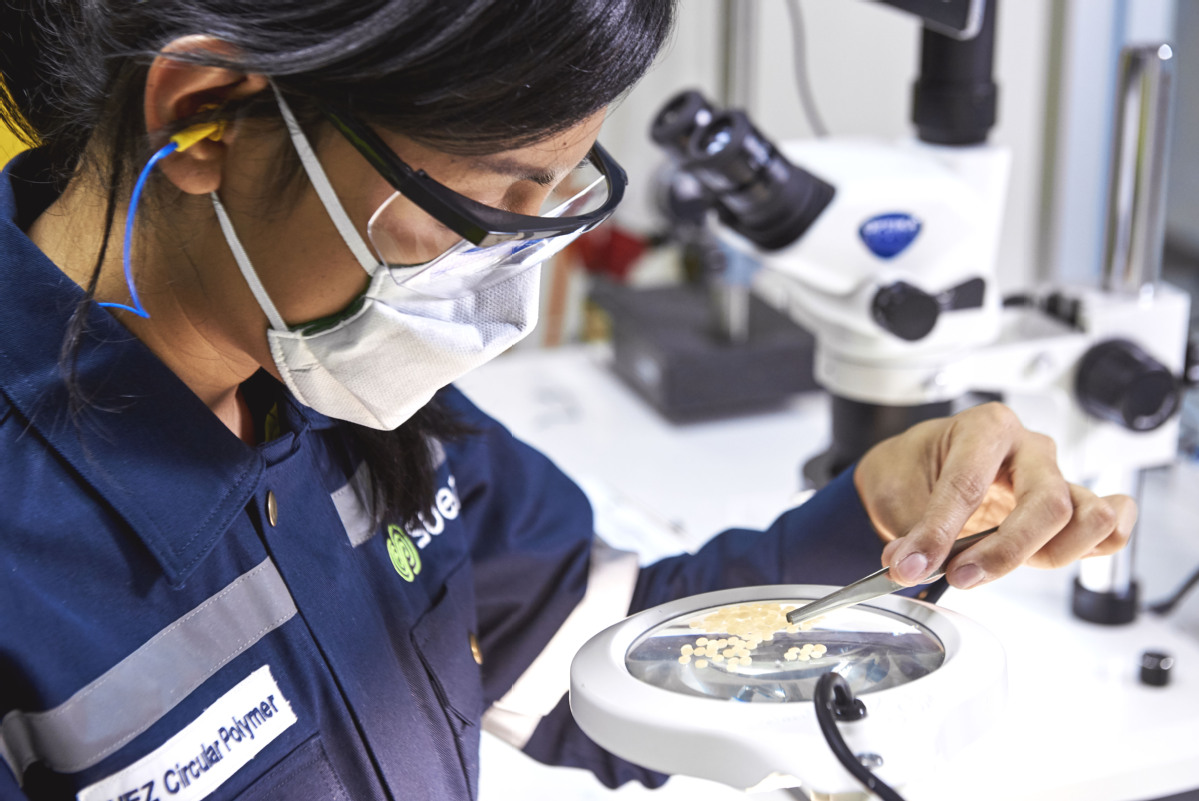
The facility is dedicated to low-density polyethylene (LDPE) plastic recycling and is one of the largest of its kind in Thailand. It converts 30,000 tonnes a year of packaging waste collected from Thai shopping malls, express delivery companies, beverage producers and electronics manufacturers into high-quality post-consumer recycled (PCR) plastic. The PCR is then reintroduced into the plastic value chain as valuable secondary materials. The newly recycled plastics that compare to virgin plastic can be used to produce piping, tube, bags, sheeting and films for building, agricultural and business applications and other products. By doing so, our plant saves up to 35,000 tonnes of CO2eq annually, which is equivalent to planting 1.5 million trees. As a matter of fact, recycled plastics cut energy consumption by up to 90% compared to virgin plastic made from oil.
As a founding member of the Alliance to End Plastic Waste (AEPW), this circular polymer plant is one of SUEZ's concrete actions to echo the Alliance's pledge to end plastic waste in the environment. By creating a new model for solid waste management, we hope to propel Thailand towards the 100% plastic recycling target by 2030. SUEZ also hopes to replicate this sustainable waste management and plastic waste recycling infrastructure in other Asian countries. Over the next ten years, our goal is to build a pan-Asia network of facilities focused on PE resin to cover LDPE, LLDPE, PE and PET plastics.
What are the considerations for investing in a plastic recycling plant?
At SUEZ, we are convinced that to solve a challenge of the magnitude of plastic waste, takes more than the efforts of a single organization. To be successful the solution needs to involve every stakeholder along the plastics value chain and leverage strategic partnerships at every level: households, consumers, cities, countries, and the packaging industry.
The key considerations underlying SUEZ's long-term investment decisions are, first and foremost, that the host nation has mature regulations on waste collection and a strong commitment to reducing plastic waste. Second, we consider how aware local companies, up and down the plastics value chain, are of waste sorting, recovery and recycling. Third, the continued success of the recycling business depends on broader education and engagement. Only by aligning environmental awareness, laws and regulations, with economic benefits, can we create a viable ecosystem for plastics recycling and reuse.
What is your outlook towards China on plastic recycling?
I understand that, for the first time in decades, China has announced that it will not set a target for economic growth this year. However, it has included many additional targets for environmental improvement. We also see that the government has taken a raft of measures to reduce plastic pollution, including introducing a mandatory waste sorting system. China is also in the process of establishing systems and processes for managing plastic recycling and taking actions on different levels, such as holding manufacturing activities accountable and further improving the waste recycling system, so that new measures to limit plastic waste could drive industries to think about either replacing or recycling plastics.
This is the strongest indicator yet that the country's 14th Five-Year Plan will prioritize qualitative environmental outcomes over quantitative economic metrics. This is very encouraging news for the circular economy and green industrial growth. At SUEZ, we are keen to deepen the synergies that occur when our global expertise and technologies are applied to Chinese contexts. We hope to build another exemplary success for plastic recycling and to make a significant contribution to eliminating plastic pollution globally.





