



New rules to help lenders reduce risks







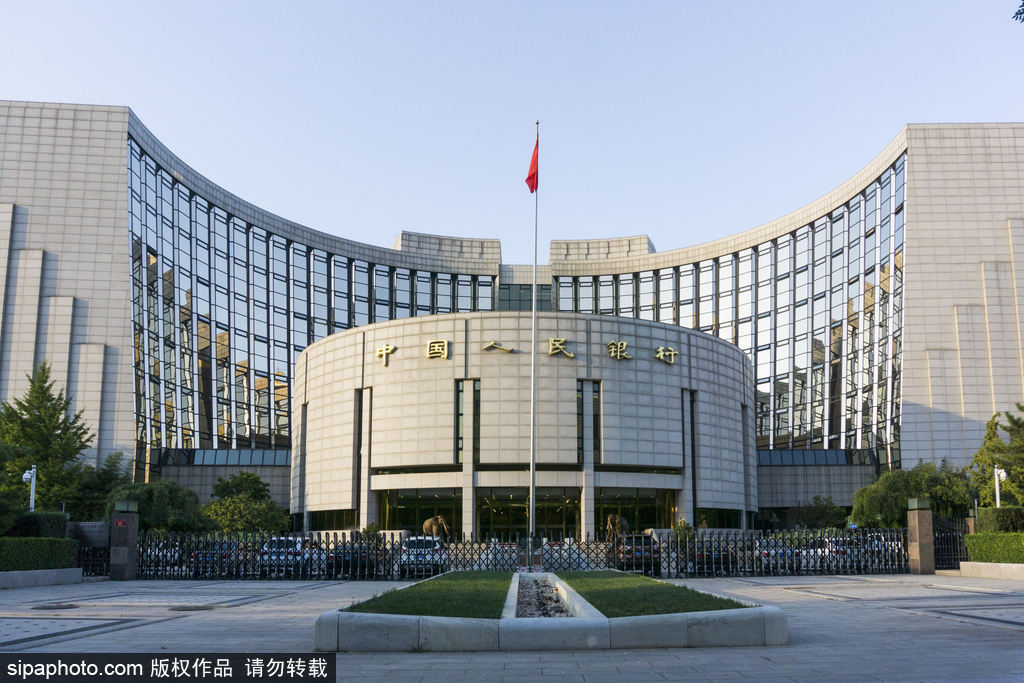
PBOC: 'Big Four' banks to adopt Basel capital adequacy standards by 2025
China has issued new rules that seek to improve the ability of the country's global systemically important banks (G-SIBs) to absorb losses and adhere to the global regulatory standards on capital adequacy and liquidity by Jan 1, 2025, as part of the ongoing efforts to prevent systemic financial risks.
The People's Bank of China, the central bank, and the China Banking and Insurance Regulatory Commission, the banking regulator, said that banks which have been designated as G-SIBs by the Financial Stability Board, an arm of the G20, would have to comply with the Basel Committee requirements on "total loss-absorbing capacity", or TLAC, to ensure that they have enough equity and bail-in debt.
Though the regulators have not announced an exact date for the new rules to kick in, some financial institutions estimate that the Big Four banks-Industrial and Commercial Bank of China, Bank of China, Agricultural Bank of China and China Construction Bank-may need additional capital of about 2 trillion yuan ($295 billion) to 3 trillion yuan to meet the 2025 standards.
The Big Four lenders may need to increase capital by nearly 392.4 billion yuan every year for the next six years, said Zhang Xu, an analyst with Everbright Securities.
The new policy will help China's G-SIBs, or banks that are deemed "too big to fail", to make the necessary plans to satisfy the Basel capital adequacy rules and help develop a multilevel capital market, said a PBOC spokesman.
The unbalanced financial structure of banks, which have been the mainstay of China's financial system, had prompted regulators to promote non-bank lending institutions and expand capital markets to curb debt growth, analysts said.
Moody's Investors Service, a global credit ratings agency, said in a report that during the first eight months of this year, new lending rose by 25 percent on a yearly basis to 15.1 trillion yuan. Formal bank lending will continue to dominate new credit supply, the ratings agency said, adding that banks would continue to maintain a strong flow of long-term credit to corporates in line with the government's policy of providing adequate support to businesses and investment.
In November 2018, the PBOC said that it would implement the international framework of TLAC for the four G-SIBs and said that it is very likely that China might implement the TLAC framework earlier than Jan 1, 2025.
"The four G-SIBs are expected to actively use the new capital instrument of perpetual bonds to strengthen their capital," said Yulia Wan, a senior analyst with Moody's. Most of the large banks and joint-stock banks may already have sufficient capital buffers to meet the additional capital requirements, she said.
In China, regulators have shortened the approval period for perpetual bonds issues, reduced entry barriers for issue of preferred shares and allowed eligible banks to use multiple capital replenishment instruments, Wan said.
The central bank also said that it would establish a countercyclical capital buffer regime, which became effective from Sept 30, to protect the banking sector from periods of excess aggregate credit growth that have often been associated with the buildup of systemic financial risks.
During economic downturns, the capital buffer helps reduce risks that could arise when credit supply is crimped by the regulatory capital requirements.
Regulators will assess and adjust specific requirements for the capital buffer at regular intervals based on macroeconomic and financial projections, leverage level and the robustness of the banking system, the central bank said.
In December 2010, the Basel Committee on Banking Supervision published the third version of a global regulatory framework for more resilient banks and banking systems, which presented the details of global regulatory standards on bank capital adequacy and liquidity, including a countercyclical capital buffer.




















