People-centered concept to chart new road map







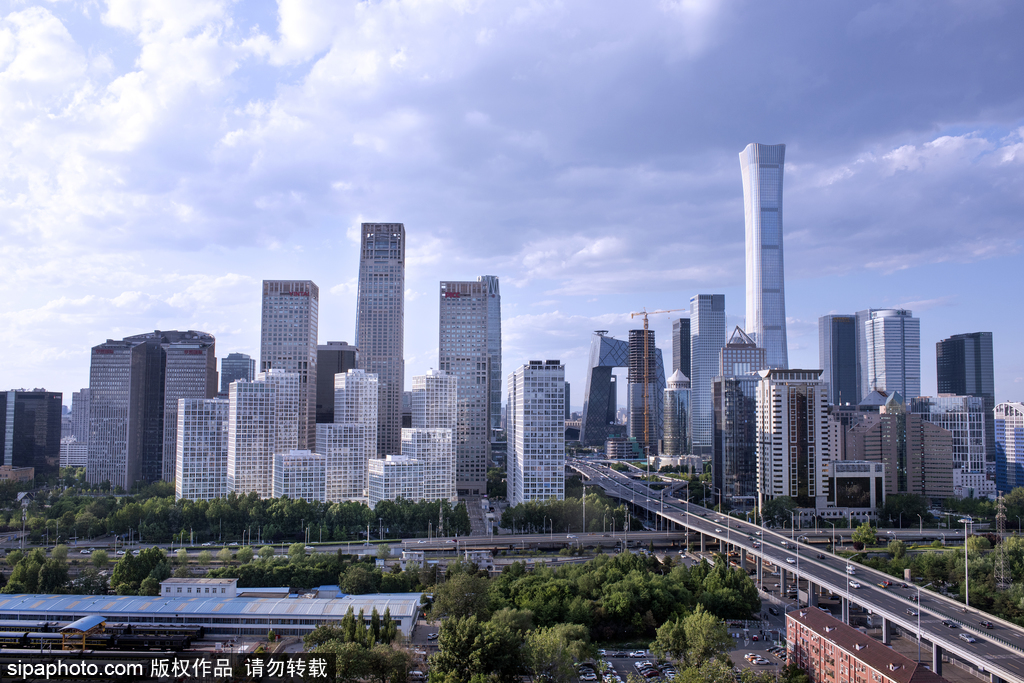
Policy approach that helps nation restore economy, reduce poverty will continue
Editor's note: China has made significant social and economic progress during the period of the 13th Five-Year Plan (2016-20). China Daily will run a series of stories about President Xi Jinping's economic thought, which guides China's policymaking as the country drafts the next five-year development plan.
The idea of a people-centered development concept, a prominent feature of President Xi Jinping's economic thought, demonstrates China's pragmatic and people-oriented policy approach to restore social and economic activities amid the COVID-19 pandemic, and such an approach will continue to guide the nation's future economic policy as policymakers draft the next five-year plan, experts said.
Ever since the outbreak of the pandemic, China has acted swiftly by issuing a set of supportive policies to support the economy and shore up growth. While a country's GDP growth is highly correlated with its economic prosperity and corporate profits, Beijing did not set a specific growth target this year given the immense uncertainties and acute challenges China is facing.
Instead, the authorities opted for a people-oriented policy approach which aims at ensuring employment, people's basic livelihoods, and the survival of businesses, especially private and smaller ones. The shift to a more pragmatic policy approach underscored the bottom-line thinking of the policymakers to safeguard the wellbeing of the people and society while winning the strenuous battle against poverty this year.
Xi, who is also general secretary of the Communist Party of China Central Committee, has pointed out that continuously improving the quality of people's lives is the mission and purpose of all of the leadership's work and it is also the fundamental goal of building a moderately prosperous society in all respects.
The people-centered development concept, one of the guiding principles of China's policymaking and practice, has helped the country to quickly overcome the shocks of the pandemic and enabled China to put its economy back on the growth track, economists said.
Dominik Peschel, head of the economics unit of the Asian Development Bank's resident mission in China, said that social protection is a stabilizing factor during an economic downturn and it is essential to support the recovery in the current challenging environment.
"Social protection creates a healthy labor force and improves productivity levels. By securing incomes and protecting workers from social risks, a comprehensive social security system reduces income inequalities, and fosters consumption and the role of domestic demand as a driver of growth," he said.
Social protection in China has largely improved in recent years and it requires further action including enhancing coordination among the existing plans, increasing budget allocations for social policies including affordable housing, strengthening the legal framework, and improving institutional capacity, Peschel said.
In the short term, creating better lives for the people means safeguarding employment and raising families' incomes to boost demand and consumption as the economy is recovering from the damage caused by the COVID-19 pandemic.
Justin Yifu Lin, a senior economist and honorary dean of the National School of Development at Peking University, said that ensuring employment is one of the most important tasks of the government this year and policies should focus on narrowing the country's income gap to ensure fairness and efficiency in income distribution.
He expected that China's GDP per capita could exceed $12,700 in five years and the government will further raise household incomes and improve the social protection system in order to increase people's willingness to spend.
China has set the target of creating 9 million jobs in urban areas this year and keeping the surveyed urban unemployment rate around 6 percent. The economy will be able to achieve growth this year if the employment target can be met, according to the State Council.
"The domestic and external environment have changed dramatically for China this year. But what remains unchanged is the government's policy priority to continuously improve the country's growth quality and raise the living standard of the people through reforms and further opening-up," said Xu Hongcai, deputy director of the China Association of Policy Sciences' economic policy committee.
Xu said that the people-focused policy approach has helped strengthen the resilience of the Chinese economy by protecting the vast domestic market and boosting consumption and investment. Longer-term policy objectives will also require additional policies to improve social protection and public services in healthcare as well as reforming the country's income distribution system, which will continue to be strategic goals of the 14th Five-Year Plan (2021-25).
The country's lawmakers have called for further implementing the people-centered development concept and stepping up policy support in employment, education, social security, medical services, housing and environmental protection in drafting the country's next five-year plan, according to the Standing Committee of the National People's Congress, the nation's top legislature.
Poverty alleviation
Despite the challenging environment amid the pandemic, China's top leadership has pledged to achieve the goal of eradicating absolute poverty this year, meaning that the country will lift about 5.5 million people in rural areas out of poverty. Poverty alleviation is the basic requirement and one of the most important goals for China to build a moderately prosperous society in all respects this year.
China has made significant progress in poverty alleviation during the period of its 13th Five-Year Plan (2016-20), which paved the way for it to eventually achieve the goal of eradicating absolute poverty. From 2012 to 2019, the number of people living in poverty in China decreased from 98.99 million to 5.51 million, according to the National Bureau of Statistics.
The determination to achieve the goal in poverty relief is an illustration of the leadership's practice of putting people's interests first, which is one of the core features of China's socialist market economic system, and it is also closely associated with the leadership of the Communist Party of China, experts said.
"Putting people's interests first is never a hollow slogan. It is manifested in China's practice of making economic development and boosting the national productive capacity the central task of the leadership," said Han Baojiang, a senior researcher at the National Academy of Governance.
"It is not just about making the pie bigger, but also about dividing the pie and ensuring no one is left behind and eventually achieving common prosperity," he said.
Han said that the achievements China made in social and economic development as well as the substantial improvement of people's livelihoods over the past decades are closely linked with the Party's leadership, which is one of the fundamental advantages of China's socialist economic system.
New types of businesses
In the meantime, China is also cultivating new types of business such as the booming e-commerce and digital economy, and further liberalizing sectors such as financial services, information technology and education to create more jobs and stabilize the economy.
"The new economy has become a major platform to stabilize employment, especially for younger people and college graduates. China should continue to grab opportunities in this area and further boost the role of the market to generate more jobs," said Chi Fulin, president of the China Institute for Reform and Development.
Zhou Lanxu contributed to this story.


- Xizang's remote villages gain access to express delivery services
- Egyptian man explores 460-year-old fair in Tianjin
- 10,000-ton electric container ship tests off Jiangxi province
- China's construction sector sees drop in energy use, emissions during build phase, rise in operations
- Guangdong sees surge in holiday arrivals as travel pattern shifts
- International commercial court established in Guangzhou