



Nation's millennials warm to retirement planning







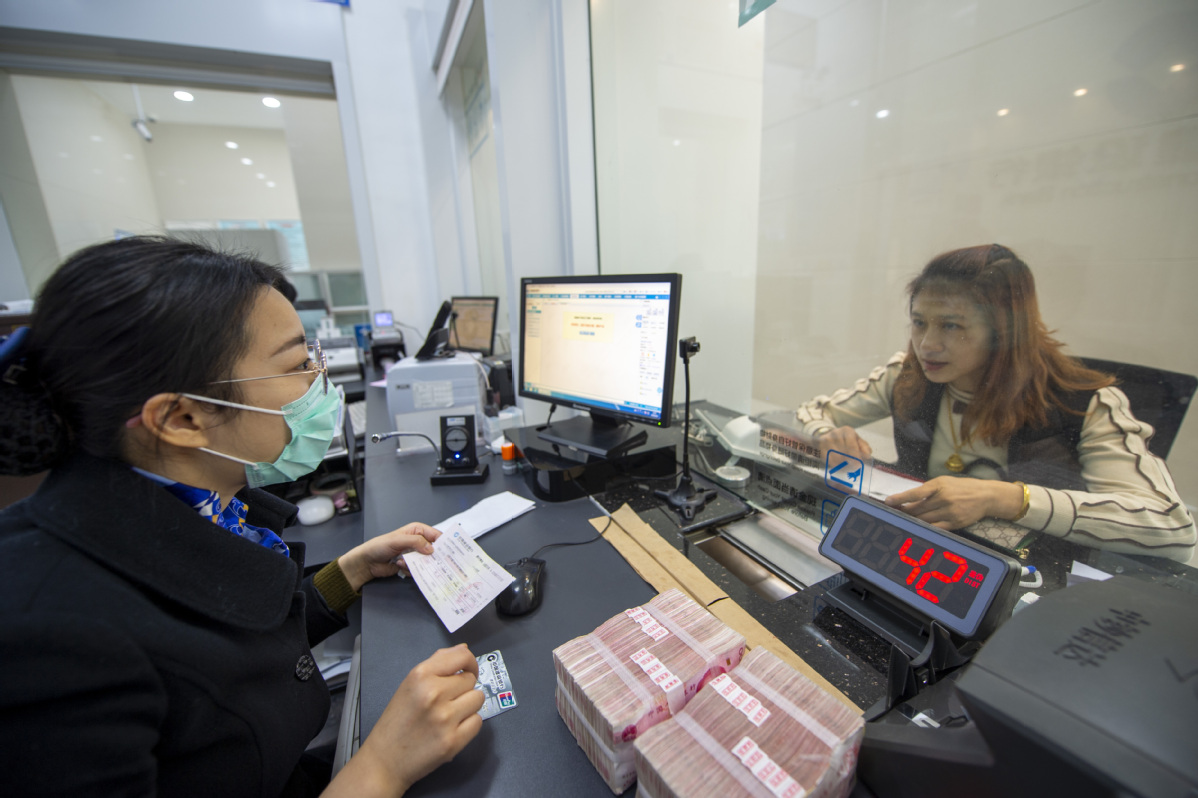
People from China aged between 18 and 34 are setting aside more money than a year ago for retirement funds, despite the COVID-19 epidemic-related uncertainties, a leading global asset manager said on Monday.
Daisy Ho, head of the China operations at Fidelity International, said typically most of the younger generation in the country start saving at the age of 30 and are now on average setting aside 1,334 yuan ($197) every month for their retirement finances compared with 994 yuan every month a year ago.
The COVID-19 epidemic and the accompanying market volatility have come as a "wake-up call" for the young generation, said Ho.
According to a survey jointly released by Fidelity International and Alipay Wealth Management Platform on Thursday, 43 percent of the Chinese millennial respondents are confident about saving sufficient funds for retirement purposes, compared with just 32 percent a year ago.
The greater confidence is a result of the more active and consistent saving behavior, as 51 percent of the Chinese millennials said they have started saving this year, compared with 48 percent in 2019 and 44 percent in 2018.
"The pandemic shall lead to a systemic, long-term shift in the mindset of Chinese millennials when it comes to saving for the future," Ho said, adding that the proportion of young Chinese people opting for retirement savings will continue to rise in the following years.
The Post-COVID China Retirement Readiness Survey tracked more than 60,000 people across the country. It is the third consecutive year that Fidelity has conducted the survey along with Alipay Wealth Management Platform, as part of its efforts to test the waters in China's individual pension market.
The retirement investment giant, with total assets of $565.7 billion by the end of June, is seeking to tap into China's fast-growing individual pension market by issuing mutual fund products. It applied to set up a wholly-owned mutual fund unit in China in late May, after the country lifted ownership caps in the sector from April.
Ho said that a separate survey conducted by the company found that Chinese mainland investors are less worried about the COVID-19 challenges on retirement planning than their counterparts in other Asian markets.
"Such optimism may result from a stabilized epidemic situation domestically and a faster economic recovery," Ho said.
The Chinese economy continued to rebound last month with retail sales returning to growth for the first time this year, as the country's efforts to stabilize employment and people's livelihood yielded results.
Despite the rising awareness and robust confidence over retirement investments, some key barriers remain for Chinese young people's retirement planning, with more respondents than last year citing "the lack of investment knowledge "as a key hindrance, according to Fidelity International.
To help bridge the knowledge gap and provide an easy tool for setting and tracking retirement saving goals, the company introduced its global retirement savings guidelines to China on Thursday.
Fidelity International will continue its investor education efforts in China, with a greater usage of digital channels and investor education campaigns specially designed for women, who have lagged behind men in retirement investments, according to Ho.
The company's commitment to the Chinese market partly derives from the great growing potential of the country's pension market amid an aging population and a nascent individual pension industry, experts said.
Dong Keyong, secretary-general of the Ageing Finance Forum 50, said the total saving of the country's pension system accounted for 7.3 percent of its GDP by the end of 2018, versus 135.55 percent in the US.
This tiny proportion indicates a vast growth opportunity, especially in the individual pension system that the country started to develop by launching pilot programs in 2018, Dong said.



















