



China's Xinjiang spends over 200b yuan to improve livelihood in H1







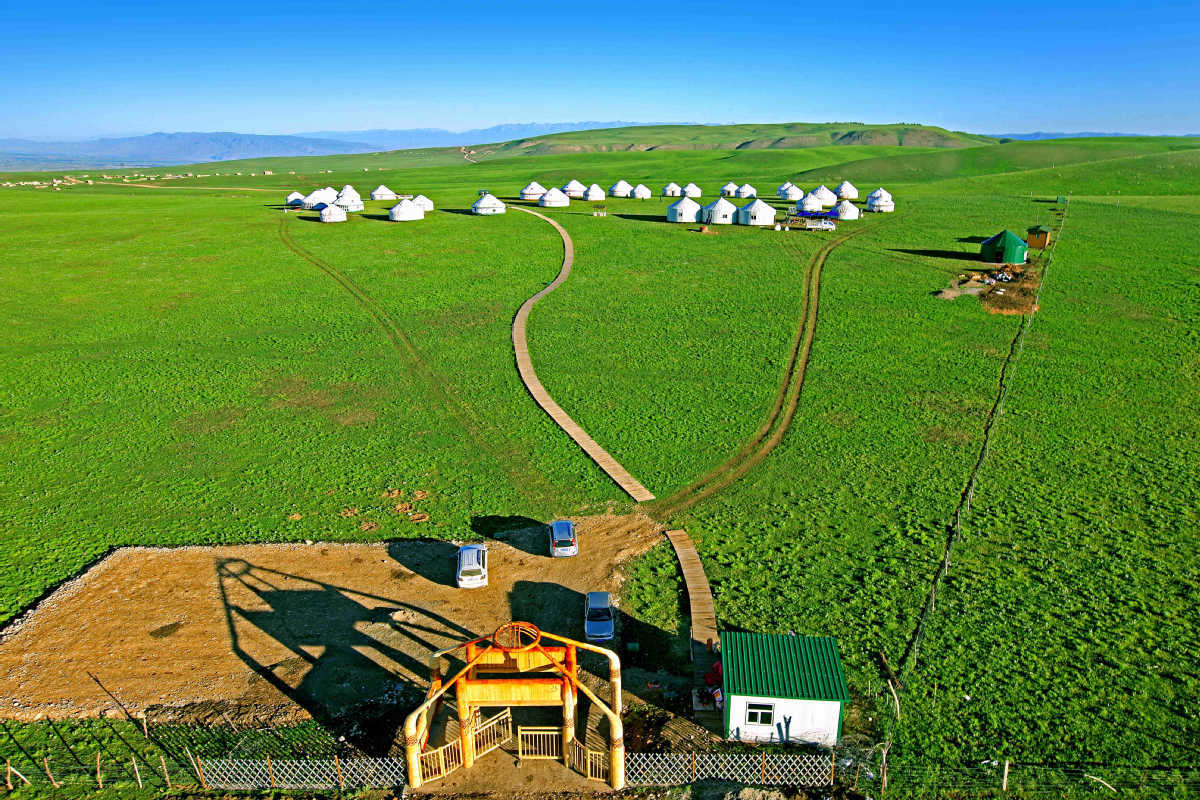
URUMQI -- The government of Northwest China's Xinjiang Uygur autonomous region invested over 200.6 billion yuan (about $28.6 billion) in improving people's livelihood in the first half of this year, accounting for 74.7 percent of its total public expenditure.
Xinjiang also saw expenditure in several other fields increase in H1, with public health up 36.6 percent, education rising 13.8 percent, and social security and employment up 2.8 percent, said Xu Bin, director of the regional development and reform commission.
In a bid to improve public services, from January to June, the region allocated 800 million yuan to public cultural services to support the free-entry policy involving more than 1,500 public cultural sites, including museums, galleries and libraries, Xu said.
According to the National Bureau of Statistics, Xinjiang created 339,700 urban jobs and helped over 2.56 million rural residents find employment in H1.
From 2014 to 2019, Xinjiang had lifted close to 3 million people out of poverty. This year, the entire rural impoverished population will cast off poverty in Xinjiang, the government said.


- Labubu lights up Shanghai lantern show
- Cherry blossom festival in Yongfu town celebrates agricultural innovation and cultural exchange
- China's first domestically built cruise ship welcomes its 1 millionth guest
- The Devil Still Dances: High Vigilance against Japanese Militarism's Infiltration in Sports and Culture Fields
- 189 historical artifacts of Japanese invasion donated to museum in NE China
- Death toll rises to 8 in North China factory explosion












