



Medical team leader glad to see Peru accepted anti-virus advice







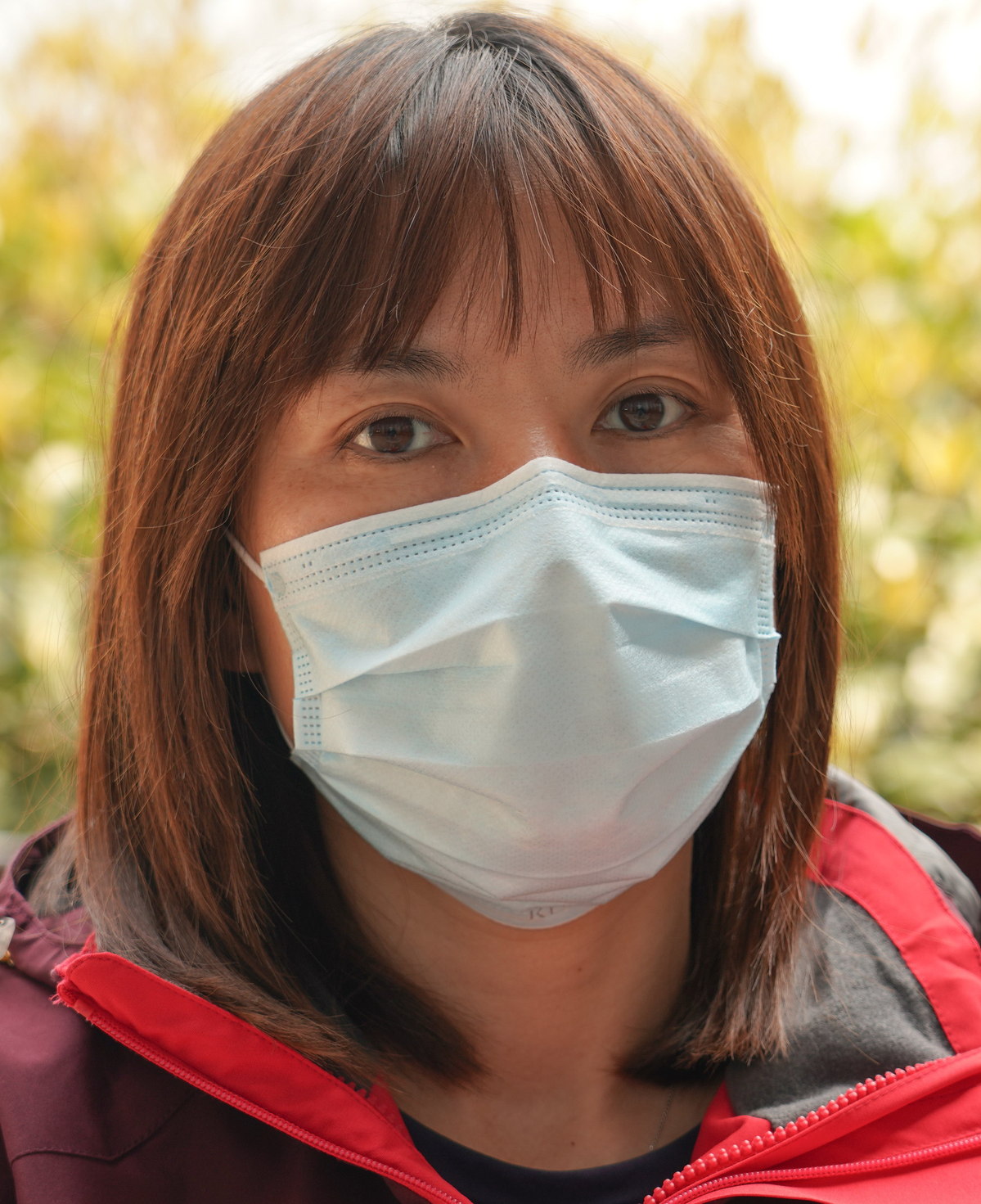
After 66 hours of travel-interrupted by jetliner glitches and prolonged layovers-we finally arrived in Lima, the capital of Peru, on May 23.
The epidemic situation there was severe. The daily new infections reached nearly 4,000 and the total number of confirmed cases topped 110,000. By that time, China had basically curbed the spread of the virus, and Guangdong, where I am based, had reported no new local cases for several weeks.
The urgency and tension on the ground was palpable, but we were not overwhelmed. I was part of the medical aid team dispatched to Honghu, Hubei province-the hardest-hit area in China-from February 10 to March 21. Having fought on the front line of the battlefield meant this time around we were confident about our anti-epidemic knowledge and were set to brave the challenge.
We soon identified a crucial strategy-to persuade local authorities and the public to shift from home-based quarantine to centralized isolation. The former approach had already led to a spike in new infections and overstretched local hospitals.
Long-term and centralized isolation was a formidable task in Peru, to say the least. A large population of daily wage workers in the country and a lack of grid-based community management added to the dilemma.
So was there a solution?
We had the model of fangcang shelter hospitals in mind-over a dozen treatment facilities in Wuhan that were rapidly converted from gymnasiums, sports centers and exhibition venues. Together, they received over 12,000 mild cases during the height of the outbreak in China.
While swiftly mobilizing local resources to remodel existing structures in Peru was infeasible, we spotted an opportunity to tap into its agreeable weather and sprawling squares. In Lima, it almost never rains throughout the year, and it was not chilly, with daily temperatures hovering around 18 to 20 C.
It was then suggested to set up shelters in their outdoor squares, stadiums or even sprawling stretches of flat land and to gather health workers from grassroots clinics to attend to mild patients.
Another outstanding issue from our perspective was the increasing number of new infections and deaths among police and military staff, who oversaw anti-virus work in neighborhoods.
During a fast-spreading health emergency, the stability of society hinges on the safety of grassroots disease control officials and medical workers. It is important to provide training on standard protections against the virus to medical staff and send more personal protective gear to them when stockpiles run low.
During a visit to a hospital in Lima, they were surprised to hear that none of the over 40,000 Chinese medical aid workers sent to Hubei had caught the virus. They invited us to help reset layouts of hospitals and smooth out protection procedures.
When we were in Honghu, the bar for approving the discharge of a cured patient was placed very high. Each patient would need to test negative for the virus twice-with samples being taken at least 24 hours apart-and show no relevant symptoms.
In Peru, the prevalent view was that a patient was no longer infectious 14 days after contracting the virus and would be released right away, potentially increasing the risk of secondary transmission. Drawing on my experiences in Honghu, we underscored the importance of tightening requirements for releasing hospitalized patients.
It was not until we had returned to China in June that we learned from the news that Peru had decided to quickly build more than 10 shelter hospitals to treat patients with mild conditions. We are glad to see that our advice has been put into practice.
Guo Yi spoke with Wang Xiaoyu.


- Doubling down on cooperation offers better payout for APEC economies: China Daily editorial
- Hong Kong's stability safeguarded by law: China Daily editorial
- Taiwan’s frontline weapon deployment plan sparks strong criticism
- Taicang hosts spring symposiums for foreign-funded and private enterprises
- Around 200,000 cherry blossom trees burst into bloom in Fujian
- World's tallest and largest wind power tower crane unveiled in Hunan













