



Mental health – the looming crisis after COVID-19







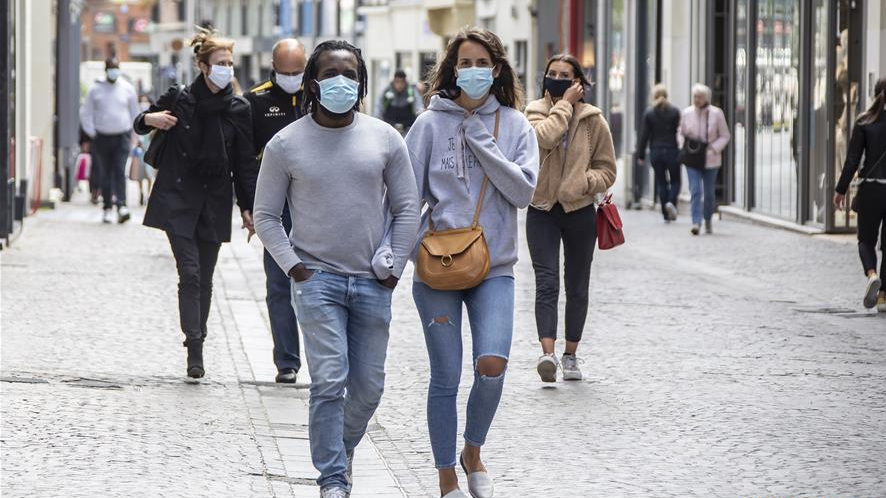
Confirmed COVID-19 cases have exceeded 4.3 million and deaths have reached 290,000 globally, yet the unreported mental health impacts of this virus are likely to be far more virulent.
According to Doctor of Psychology, Dr. Jonathan Moult, even if only a small percentage of people have coronavirus, "100 percent of us are psychologically affected by it."
Despite this, identifying the mental health care needs of people impacted by this pandemic has been neglected. It is naive to measure the human cost of this pandemic by only capturing data on the number infected or the economic decline, but only a minute proportion of scientific publications on COVID-19 have researched the mental health impact.
No one can deny that life is changing and that this pandemic has catapulted the world into an era of uncertainty. With an estimated 3 billion people living under some form of restriction, it is undeniable that this will have a "profound" and "pervasive impact" on people's mental health: both now and in the future, as described in Lancet Psychiatry.
The Lancet paper explains that the prospect of becoming physically unwell from the virus ranks lower than mental health concerns related to the pandemic. Increased isolation, health anxiety and stress, combined with a drastic economic downturn, is the "perfect storm to harm people's mental health and wellbeing."
"People are social organisms, millions of years of evolution have wired us not to be isolated or on our own," says Roger McIntyre, professor of psychiatry at the University of Toronto.
For many, experiencing feelings of isolation can lead to loneliness and anxiety, each linked to increased risk of depression and suicide. A Cornerstone study shows a lack of social connection putting us at greater risk of death than smoking, obesity or alcohol.
If historical epidemics such as SARS and Ebola are anything to go by, we should be expecting compounding future health challenges far beyond the peak of the outbreak.
Referring to the 2003 SARS epidemic, the Lancet paper reported a 30 percent increase in suicide in the over-65s post crisis. Data collected from the Departments of Psychiatry at the Chinese University of Hong Kong showed that the mental impact of SARS remained clinically significant even four years after surviving the virus. Of the survivors studied, 54.5 percent had developed PTSD, 39 percent had depression, and 15.6 percent obsessive-compulsive disorder (the prevalence of these disorders was 3 percent before the epidemic).
Similarly, analyzing the impact of the 2007-2008 global financial crisis, many countries witnessed increased rates of depression, anxiety and drug use. A report by McKinsey & Company explains how the Great Recession of 2008 ushered in a 13 percent increase in suicides attributable to unemployment with over 46,000 lives lost due to unemployment and income inequality in that year alone.
Amplifying the above, this coronavirus pandemic is happening against an existing backdrop of mental health issues on the rise globally (in 2018, the UK had already gone so far as to appoint a Minister for Loneliness).
The World Health Organization has already highlighted that "adapting to lifestyle changes and managing the fear of contracting the virus are challenging for all of us" but "particularly difficult for people with mental health conditions." We must not let the two feed off each other.
It seems inevitable that the mental health fallout of coronavirus is going to be drastic, and only with time will the true psychological impact of this epidemic be realized. But shouldn't we be doing more now to minimize this impact before it's too late?
Members of a Chinese medical team attend a ceremony at Jiangbei International Airport in southwest China's Chongqing, May 13, 2020. /Xinhua
At present, it seems most countries are fire-fighting: without time, resources or previous experience to see the wood for the trees.
A UK cabinet member admitted "there are concerns we have put all our eggs in the COVID-19 basket and we're not looking at health in the round."
Blunt and stubborn lockdown measures may be a necessary evil in "flattening the curve" of infections, but we must also proactively fight against the unintended consequences of a lockdown such as the resulting mental health issues and increased domestic violence.
The question then turns to how, in the face of this crisis, we can take care of our mental health, both as a society and as individuals?
On an international level, according to the Lancet paper, "collaboration and a global perspective will be beneficial," calling for funding bodies, research institutes and policy makers to act now to limit the pandemic's impact on all our lives. There is an urgent need for a global roll-out of "moment-to-moment" mental health monitoring and evidence-based programs that can treat these mental health conditions remotely.
Meanwhile, as individuals we must keep prioritizing our health, wellness and relationships.
Constant exposure to COVID-19 news should be avoided, as evidenced by a recent paper from China which found more than three hours a day could increase the risk of anxiety symptoms. The WHO suggests we "seek information only from trusted sources" and at "specific times during the day."
In addition, some of our usual coping mechanisms – alcohol, drugs, promiscuity or extreme busyness – should be avoided: "if you block pain, you block joy and the capacity to experience all feelings," explains therapist Julia Samuel. The WHO has even issued a warning that alcohol should be restricted during lockdown, although despite this advice, data suggests that alcohol consumption is rising during the pandemic. Statistics from Nielsen figures show that for the week ending March 14, U.S. online alcohol sales shot up 42 percent compared to sales from the previous year.





