COVID-19 crisis: Older persons are the pillars of our society – we cannot leave them behind







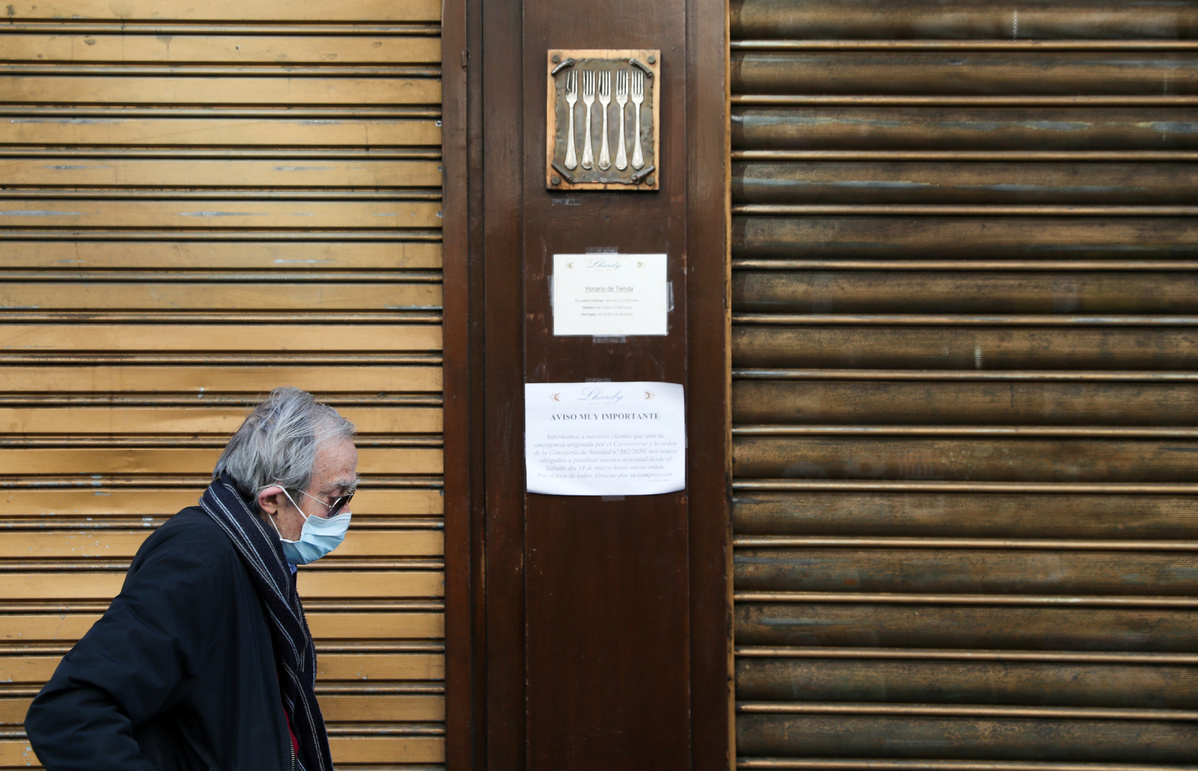
COVID-19 is turning our world upside down, especially for those at the end of the age spectrum. The virus and its rapid spread are challenging science, economy and society—as well as how we care for older persons.
We know that the risk of dying from COVID-19 increases significantly with age. Evidence from Asia and the Pacific shows that case fatality rates rise markedly by decade for persons between the ages of 50 to 80. Due to public health measures, many older persons will die alone, without family and friends. COVID-19 has stripped them of their fundamental human rights – including the right to live and die with dignity.
In Asia and the Pacific, there are 630 million older persons aged 60 years or over. However, it is not only age that poses a higher risk. Older persons tend to be more affected by chronic and non-communicable diseases, making them more vulnerable to succumbing to COVID-19. Those with disabilities are at a particularly high risk since they are often poor, in vulnerable employment without adequate social protection and dependent on others.
Personal distancing has also had a heavy impact on older persons. Those living alone, particularly older women, may become lonelier and more vulnerable to abuse. Persons with disabilities will be unable to receive assistance. Gatherings of older persons' associations – an effective tool for their empowerment - are no longer possible. Those confined in care homes remain without the safeguards afforded by regular contact with the outside world. These factors can undermine an older person's mental and physical health and exacerbate social exclusion.
Weak social protection and limited access to affordable health care in the region make it less likely for older persons to seek care when showing symptoms of COVID-19. Informal workers without social protection –which includes most working older persons- cannot afford to self-isolate as it threatens their sources of income. ESCAP and HelpAge International have promoted social protection through universal schemes, including social pensions, as well as access to Universal Health Care.
Early detection and testing of COVID-19 has led to effective and timely policy interventions. We must ensure immediately that all older persons with symptoms get tested and treated. For those who cannot afford testing, we must provide adequate health care and social protection.
Although many cases require us to avoid personal contact with older persons, we must reach out to our parents, grandparents, older neighbors and friends to ensure that their basic needs are met. We must engage with them socially, show our respect and assure them how much they matter to all of us, especially in times of crisis. In our interactions with older persons we must be more risk-averse, but not discriminatory.
The post-COVID-19 world will not be the same as before. We know that times ahead will be difficult, unemployment will be high and poverty widespread. While governments in many countries, including in Asia and the Pacific, have announced cash transfers and support to small and medium enterprises (SME) to mitigate the impacts of the crisis, it is imperative that they reach everyone.
We must also reduce the digital divide. Access to information and communications technology (ICT) can play a crucial mitigating role during crises, and it must be made available to older persons. ICT can help them manage aspects of their chronic diseases independently, which saves costs and reduces exposure to diseases from visiting hospitals and clinics. Using ICT to diagnose diseases can also help with early detection of disease and in turn early treatment and warning of developing disease hotspots. ESCAP is implementing a project exploring the feasibility of using ICT to support older persons in coping with chronic diseases. HelpAge is also integrating ICT in home and community care projects in the region.
Timely, reliable and age-disaggregated data are crucial to supporting targeted interventions among older persons. As they face unique challenges, tailored data can help devise more effective responses and longer-term solutions.
Older persons are crucial pillars of our societies, and their voice must be heard. They are the pioneers who have made the region prosper. It is our responsibility to reduce their vulnerabilities and ensure that older persons live without discrimination.
COVID-19 is challenging our commitment and capacity to leave no one behind. ESCAP and HelpAge work together and stand ready to support member States in responding to challenges, while aiming at policies for ageing societies based on the fundamentals of human rights: equality and dignity for all.
The author Kaveh Zahedi is Deputy Executive Secretary, United Nations Economic and Social Commission for Asia and the Pacific (ESCAP). Eduardo Klien is Regional Director, Asia, HelpAge International. The opinions expressed here are those of the writer and do not represent the views of China Daily and China Daily website.