



Consumption stimulus turns top priority for policymakers







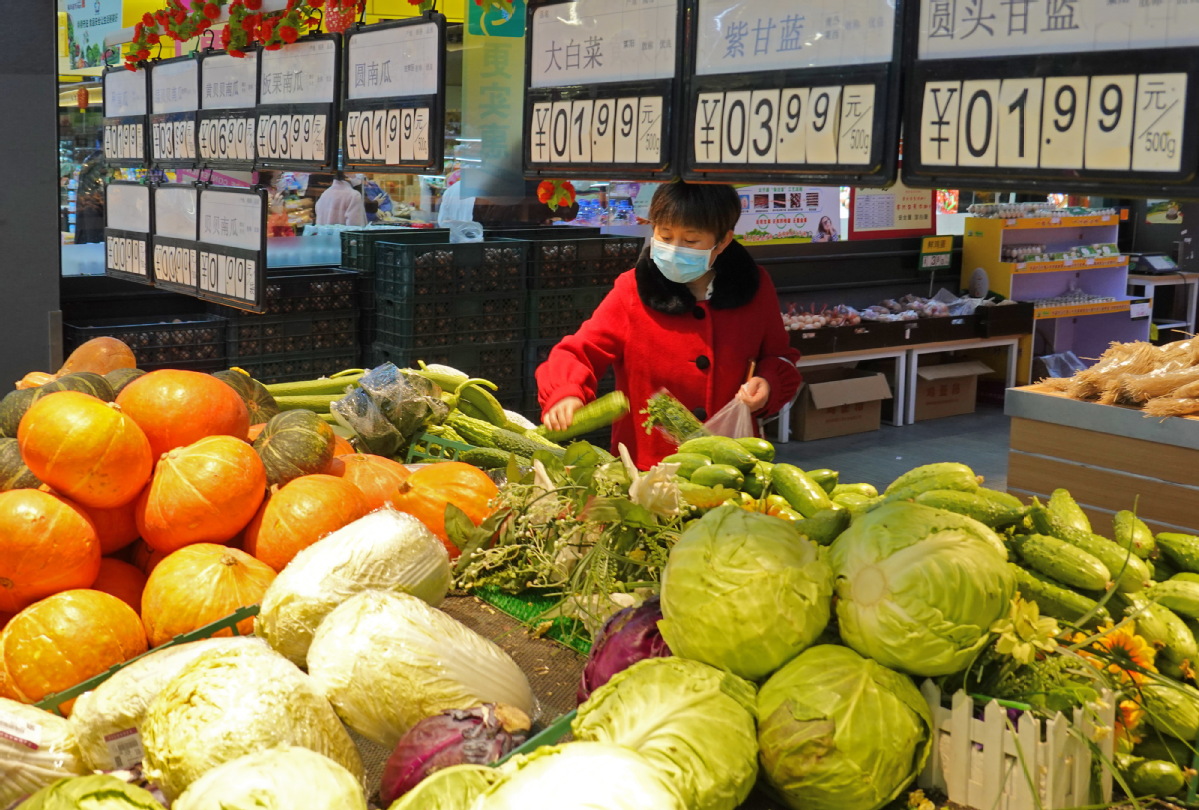
To stabilize domestic consumption, a major growth driver that has been dampened by the novel coronavirus outbreak, China must come up with more policy measures, including the issue of special government bonds that can increase fiscal spending and boost demand, economists said on Thursday.
The country is scheduled to release a set of key economic data next week, including total retail sales for January and February. The data will partially reflect the impact of the viral outbreak on domestic consumption and will serve as reference points for policies necessary to shore up the economy.
At a recent top-level meeting presided by President Xi Jinping, policymakers vowed to step up coordination of policies to expand domestic demand and further unlock the consumption potential shackled by the outbreak, and unleash new forms of consumption.
Economists have been trying to assess the impact of the epidemic on China's consumption power, the main pillar that drives the country's economy and contributed to more than 57 percent of its GDP growth last year.
While the epidemic has triggered more online spending and new consumption patterns, it cannot fully offset the negative impact on overall consumption. Economists expect the country's total retail sales during January and February to see a substantial decline with some predicting as much as an 8-percent drop on a yearly basis. That is in sharp contrast to the 8-percent increase in retail sales in December.
According to a survey conducted by Swiss bank UBS in late February of 1,000 Chinese consumers from different cities and income groups, 68 percent of the respondents decreased overall spending during the Spring Festival holiday than last year. Over 90 percent of the respondents reduced spending on offline entertainment and dining and 81 percent cut offline shopping.
The positive message from the survey is that two-thirds of the respondents plan to increase spending after the epidemic is controlled, with sports and entertainment being their top choice. Many also plan to take extra trips to both domestic and overseas destinations and 17 percent of respondents reported an increased desire to purchase a car.
Economists said that the release of the pent-up demand will help cushion some of the negative impact but it may not be enough to make up for the loss in the first quarter. In addition, consumers, especially those working in hotels, catering and retail sectors, may refrain from spending over concerns about income or job losses due to the extended leave and shutdowns.
Therefore, more policies are needed to stimulate short-term demand by accelerating production recovery and offering more financial subsidies to households and businesses, especially those from hardest-hit regions and less-developed areas, economists said.
Robin Xing, chief China economist with Morgan Stanley, said that policymakers should focus on stimulating demand by introducing a special deficit for fighting the epidemic which would not be bound by the official fiscal deficit target. The government could raise funds for the deficit by issuing special government bonds.
In addition, the government could implement tax refunds for small business owners and individuals to prevent bankruptcies and boost residents' consumption, Xing said.
Lu Ting, chief China economist at Nomura Securities, said that the government could consider handing out cash subsidies to residents in the hardest-hit regions such as Wuhan, Hubei province, to boost consumption. The Ministry of Finance could raise funds for the subsidies by selling government bonds to the central bank, Lu said.
Since the epidemic has hit both production and consumption, causing disruptions to supplies and suppressing demand, the government should also step up the facilitation of business recovery to ensure sufficient supplies of goods and services while boosting consumption, economists said. Steady production recovery could help the country avoid demand-driven price surges, which could lead to higher inflation, they said.




















