



US media curbs will deal another blow to ties







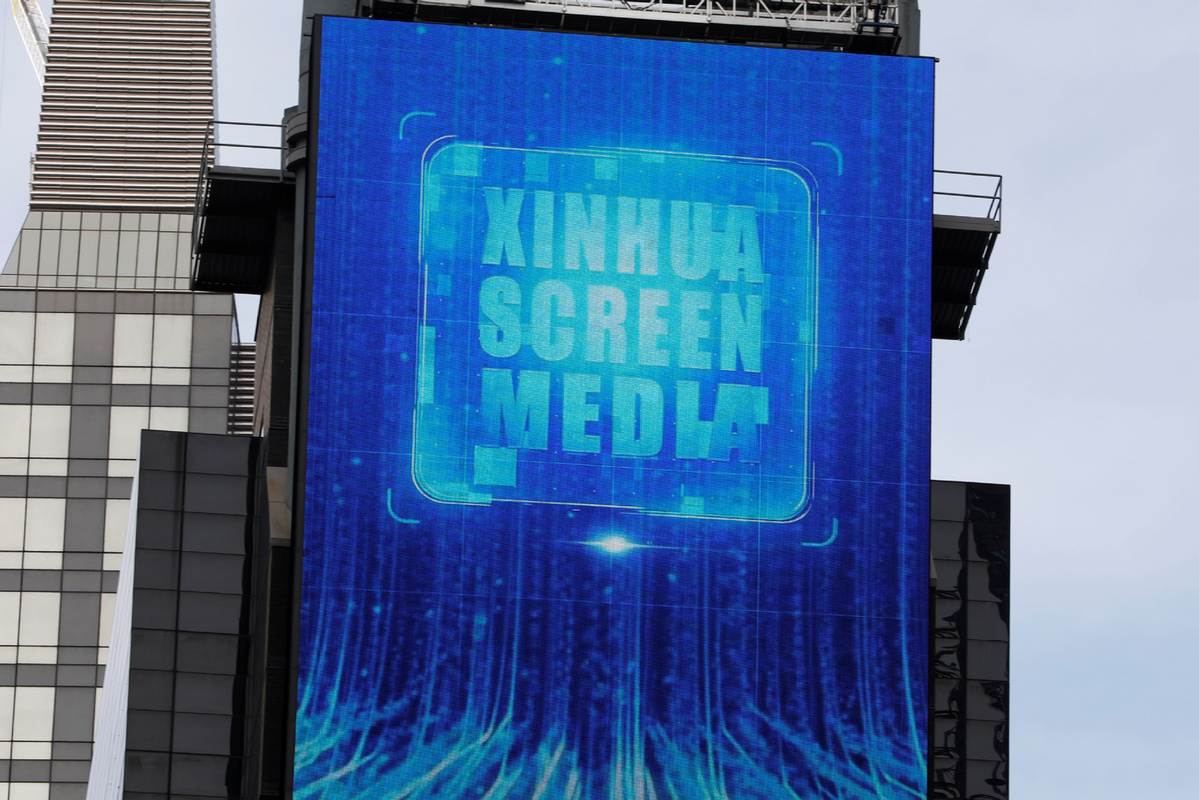
Washington's decision to force five Chinese media companies to reduce the number of journalists in the United States from 160 to 100 makes a mockery of claims that the US remains a free and welcoming open media society. Also, the decision could not have come at a worse time; it deals a new body blow to prospects of reducing tensions and improving understanding between Washington and Beijing.
The move comes amid growing global fears and even hysteria over the spread of the novel coronavirus, even though the Chinese authorities have been acting energetically and efficiently to control its spread. In fact, rapid growth of confirmed cases on the Chinese mainland appears to have been curbed.
Move threatens to deteriorate ties
Washington's new restrictions also come at a time when as US prospects for stability and renewed growth appear to be re-emerging after almost two years of trade disputes between the world's two largest economies. The US move threatens to be the first step in further cutbacks, as it may set off a new spiral in deteriorating relations and growing tensions. The fact that China is likely to retaliate in a reciprocal manner does not seem to worry Secretary of State Mike Pompeo and the US administration hardliners at all.
The reason for that is all too depressingly clear.
The US public already suffers from being saturated with highly distorted and demonized reports about life in China. Dramatic improvements in security, public safety and hygiene in China, and prosperous and fast-growing Chinese mega-cities are distorted to appear as if they are instead a fulfillment of George Orwell's totalitarian nightmare in 1984.
And inevitable and natural economic and social problems generated by so much successful industrial and business growth and still rapidly rising living standards are presented as if they herald the collapse of civilization. Which mean that far more widespread open and balanced US and international reporting on the realities of Chinese life and society are needed, rather than less.
Thorough reporting on American life needed
Similarly, not just Chinese readers but the entire world including the US public need to be able to access energetic and thorough Chinese reporting on American life. Or is it that US policymakers fear the increased scrutiny from media organizations that unlike their own are not deliberately starved of reporters and resources, and are not easily intimidated and controlled?
During my relatively long career in international journalism — 43 years and counting — I have been skeptical for many years about the claims of liberal openness, tolerance and open-mindedness that are supposed to inspire the media in the West. If only it were true!
But I do still subscribe to the fundamental theoretical tenet of the liberal internationalist creed which is that increased mutual media surveillance is essential to prevent dangerous, fearful and hate-generated misconceptions about other countries that in the long run have far too often led to catastrophic wars.
Misunderstandings and hate campaigns led to conflicts
The mutual misunderstanding and fears between Britain, France and Russia against Germany and Austria-Hungary — reciprocated in both cases — has long been recognized as a fundamental driving cause of World War I. A populist, sensationalist and racist mass media in most of the major European countries fed these fears and fanned them into flames of hysteria and hate.
Similarly, the rise of vicious fascist dictatorships in Italy in the 1920s and in Germany and Japan in the 1930s led immediately to the suppression of the free media and racist hate campaigns of against the people of China in Japan and against Russians and Jews in Nazi Germany. In both cases, the consequences of these policies of media suppression, manipulation and generation of hatred were merciless wars that cost scores of millions of innocent lives.
It is no coincidence that Pompeo announced the latest measures to curtail Chinese media reporting now. It is very much in Washington's interests to take advantage of the novel coronavirus outbreak to prevent Chinese media perspectives on the outbreak from being widely disseminated in the US.
More diversified coverage could revive mutual trust
There is unfortunately a broad political consensus now in Washington — if anything embraced even more enthusiastically by Democrats than Republicans — to demonize both Russia and China and to falsely portray the societies of both the great countries as inherently evil and opposed to all the "great and good" supposedly democratic values and freedoms that the US — every more implausibly — claims to embody and defend.
The US needs to welcome more Chinese coverage of its domestic affairs, not less. It needs to encourage more and not less US and Chinese coverage of life in China to provide a far broader view and a deeper understanding of how the challenges of the most populous advanced industrial and technological society on the planet are being met.
US policymakers need to do their part to revive trust and cooperation with China, not take actions that appear aimed at deliberately destroying it.
The new media restrictions are a bad mistake. It is still not too late to recognize the error and scrap them.
The author is a senior fellow at the American University in Moscow.
The views don't necessarily reflect those of China Daily.





