



China's technology use in the fight against COVID-19 is a learning opportunity







The world is watching how China is handling COVID-19. The experience with the coronavirus demonstrates to the world the level of mastery of that Chinese government and corporations attained with emerging technologies.
The world has for some time been impressed not only with the adoption of emerging technologies in China by consumers, but also the power of Chinese corporations (from giants like Alibaba, Tencent, Baidu, and many startups) in developing these technologies as well as the role of the Chinese government in driving the technology ecosystem. Now, China has put these technologies into the service of humanity.
The first big success has been using AI and advanced computing to sequence the coronavirus in order to enable production of potential vaccines. For Chinese scientists, it took only one month to sequence the DNA. The pace of this development is recognized and applauded by scientists around the world.
This success has only been possible by full and collaborative deployment in terms of capacity of Chinese technology companies. For example, Baidu has opened up its RNA prediction algorithm to global researchers. Other Chinese tech companies and research labs collaborated to open their computing resources for use against the coronavirus. Most of the scientific researches on coronavirus is available on the internet, as opposed to the siloed, limited access approach of the international scientific community took towards research during the Ebola outbreak.
The existing technology infrastructure also helped tremendously in containing the coronavirus. At a time of Spring Festival when billions trips were made around the country, China's electronic ID system enables the authorities to track people from the regions where the virus originates and keep the people they contacted safe. A very limited number of countries in the world enjoy such an advanced electronic ID system. Imagine how the world would tackle epidemics if there was a global digital ID system.
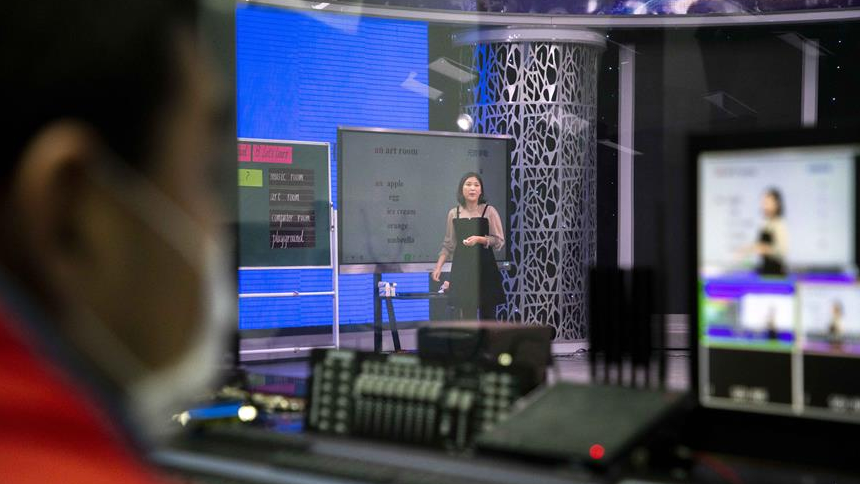
The most revolutionary impact is probably in the area of remote working. Amid the restrictions imposed after the lunar New Year, many people started their work remotely, thanks to China's strong internet infrastructure and ubiquity of mobile access. Adding to this, school classes are now online. The advanced online infrastructure and abundance of innovative startups in China in areas, such as online food delivery, are playing a key role in sustaining remote work and study during the epidemic.
We probably all heard about theater plays, in which the actor playing the main character falls sick one day, and the costume designer who already memorized the play fills in, actually having a better performance and staying in the cast. As the dust settles after the coronavirus, it will not be surprising if many people discover that they overuse offices and schools, and we can actually save time and carbon footprint by doing a lot of work remotely. China could be a trend-setter in this area.
A popular idiom in Turkish is "Every cloud has a silver lining." While the world admires how China tackles the coronavirus, there is also a lot to learn from the practical use of technology that China demonstrates. The level of collaborative research, the level of innovation in infrastructure technologies and, most importantly, the flexibility, adaptability, and agility to apply these technologies in case of an emergency are key pillars of China's response to the coronavirus epidemic.
China was able to respond effectively thanks to its historical eagerness to develop and adopt new technologies, the cohesion of its society and its strong leadership.
Ussal Sahbaz is CEO of the Centre for Economics and Foreign Policy Research Centre (EDAM), an Istanbul-based think tank. The article reflects the author's opinions, and not necessarily the views of CGTN.





