



Chinese New Year is a global event







As a foreigner in China, it has been unmistakable over the past 15 years how global celebrations of Chinese New Year have become, usually centered in Chinatowns abroad. London and San Francisco spring to mind, and in Asia there are holiday periods similar to Spring Festival, such as Tet in Vietnam which I personally experienced two years ago. This year I will celebrate by visiting London’s Chinatown for Sunday’s New Year celebrations. China of course welcomed the new calendar year on Jan 1, and President Xi Jinping joined many world leaders with messages of good fortune. The Chinese leader is back in action for Chinese New Year, sending best wishes to the Chinese community worldwide.
The day of Chinese New Year itself is one part of the season, but the other is the long Spring Festival Holiday period. This period, which is unique to China, generates the world’s largest human migration and typically sees over half the population on the move. These figures are likely to be curtailed this year by measures to control the spread of the coronavirus from Hubei province. Nevertheless, substantial travel will occur when nearly all the rest of the world is not on holiday at all. Precisely how long a break can be taken depends on the status of different citizens. School and university students get the longest break, this year typically able to leave campus from January 10 — and not required to show up again until February 18 or later — hence the concept of a 40-day travel rush. However, workers often have to wait until New Year’s Eve on January 24 or just before to be free to travel, and the Spring Festival itself traditionally ends with Lantern Festival, this year on Feb 8. Most people will aim to get around two weeks off. Some workers wanting a longer break actually quit their jobs and seek new ones in March or later.
This long period is essential to accommodate citizens’ desire to return home and see family members they may be living apart from. Shanghai, for example, is home to a large group of migrant workers, representing around 40 percent of its population. The travel rush is a big challenge, with tickets for trains and flights selling out early. A big improvement I have observed has come from China’s continued roll out of high-speed train lines and putting extra trains into service. This has greatly reduced journey times home and, while supply and demand would suggest this creates ticket shortages, it does not produce peak ticket prices. Train fares remain fixed at standard prices and real name identification with ID-based electronic ticketing prevents scalping.
Unfortunately, because of limitations of airport space and air traffic control, it is harder for airlines to add flights. Discounts disappear, resulting in sky-high prices for domestic air travel. These seat shortages and peak fares do not stop at domestic travel, but are reflected in international airfares out of China’s main airports to Asia, Europe, the US and beyond. This reflects the fact that, with increasing prosperity in China and limited long work break opportunities, many Chinese and their families now choose to travel abroad rather than to their hometowns.
Returning to the Chinese New Year celebrations, some of my international students have asked, "Wouldn’t it be great to celebrate Chinese New Year right there in China?" Although I have done so, my answer would be no. Big Chinese cities turn into ghost towns. So much is closed, and I still remember the challenges of finding restaurants that were open — and the one-hour wait for a table when we did find one.
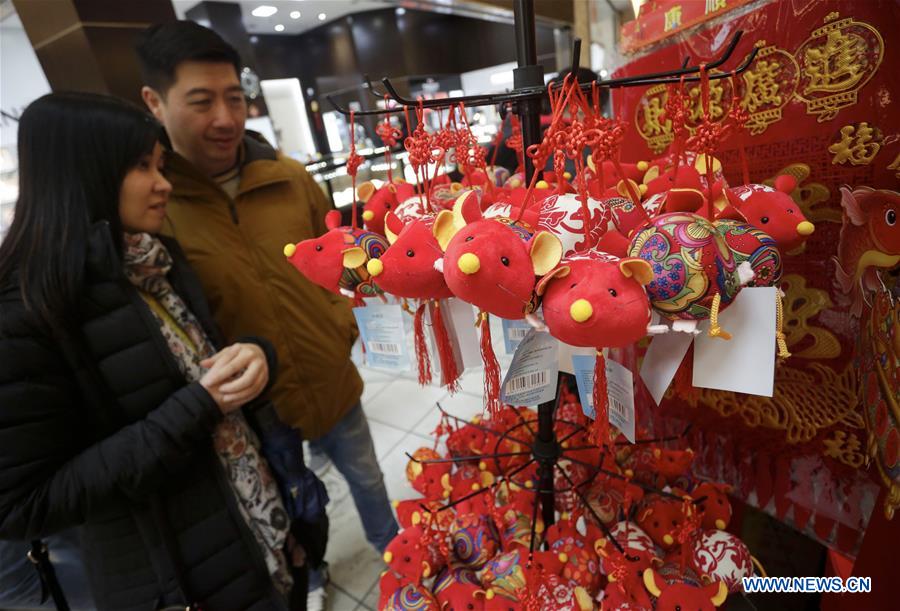
Chinese New Year is a family affair, whether in hometowns or abroad. Foreigners can enjoy it better in their home countries, which is where we came in. We are now entering the Year of the Rat, which foreigners do not find an attractive animal — however, it can also be called the Year of the Mouse, which is great news for Mickey and Minnie. Happy New Year, everyone.
Colin Speakman is an economist and an international educator with CAPA: The Global Education Network.
The opinions expressed here are those of the writer and do not necessarily represent the views of China Daily and China Daily website.





