Connectivity will be key to Africa's prosperity







China has risen from a poor developing country into an economic powerhouse within a period of 40 years. This massive growth was realized after Beijing decided to embrace foreign trade and investment and implement free market reforms in 1978.
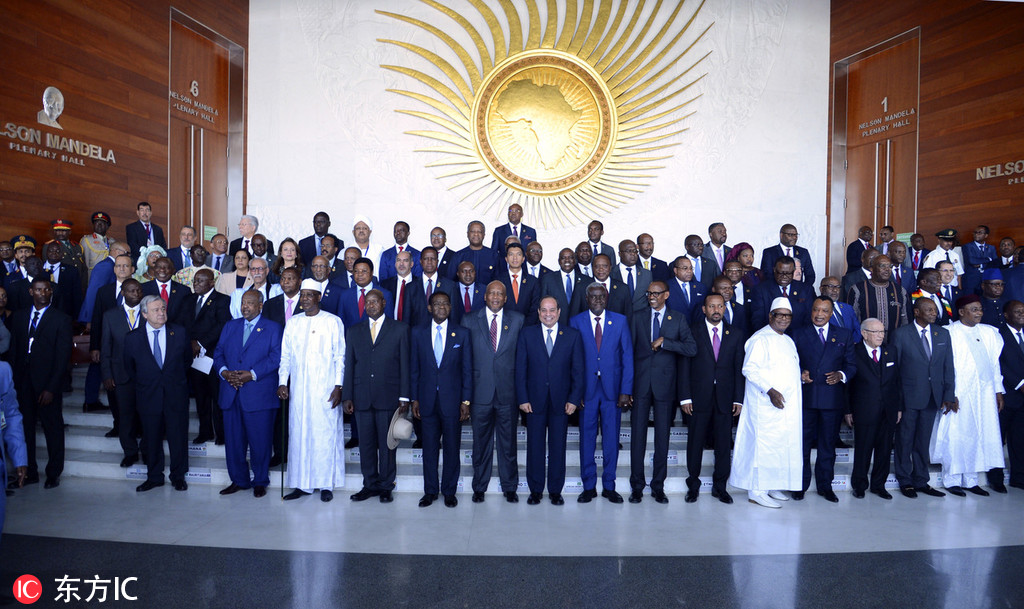
Following in China's footsteps, Africa made history on May 30 when the Africa Continental Free Trade Area took effect.
The AfCFTA is a free trade agreement among 54 of the 55 African Union nations-Eritrea has not joined-that aims to boost intra-Africa trade, grow local business, spur industrialization and create more jobs for the continent's young population.
For a long time, African countries have been trading with each other, but statistics show that only 15 percent of Africa's exports go to other African countries.
Under the guidance of the African Union, the AfCFTA will gradually eliminate tariffs on goods and services traded between and among African nations with the aim of boosting intra-Africa trade and capitalizing on the growing market across the continent.
According to the African Development Bank, free trade will lead to a net increase of income by about $2.8 billion per year. Dezan Shira & Associates (China), a company that provides legal, tax and operational advisory services to corporate investors, has projected an increase of Africa's net real income to approximately $37 billion because of reduced trade barriers under the AfCFTA.
The United Nations Economic Commission for Africa predicts that the AfCFTA has the capacity to increase intra-Africa trade by around $50 billion to $70 billion by 2040. The United Nations Conference on Trade and Development envisions that reducing intra-Africa tariffs could lead to $3.6 billion in welfare gains on the continent due to increased production and affordability of goods.
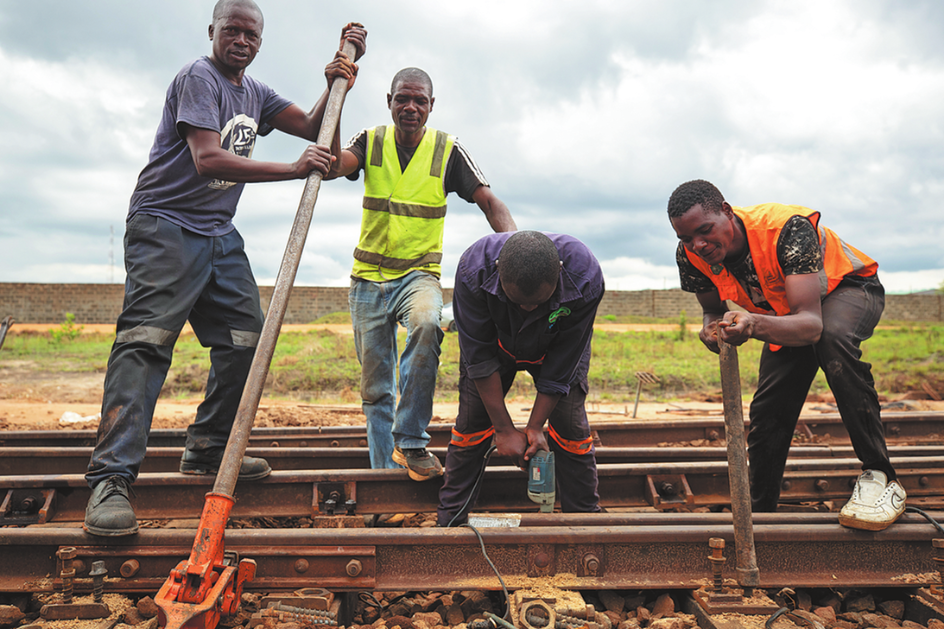
However, to realize Africa's dream of prosperity through a shared market and full implementation of the African Union's Agenda 2063, the continent needs to be well connected with modern infrastructure. The International Air Transport Association has said that Africa represents the second-fastest annual growth market in the world in passenger aviation, at 4.6 percent per year.
The IATA says that by 2037, Africa will see an additional 200 million air passengers, bringing the total to 334 million. To accommodate the increased number, opening the borders through modern ports, roads and railways is essential, in addition to increasing cultural development and boosting trade.
The China-proposed Belt and Road Initiative has already expanded and linked transportation networks and markets, improved production capacity, and facilitated the transit of goods, capital, energy, raw materials, information and people around the world. Today, approximately 22 African countries are involved in the initiative.
The BRI has the potential to accelerate the rate of economic integration and development on the continent, and encourage countries to coordinate economic policy and improve regional collaboration.
Similarly, it will help address crucial bottlenecks to industrial development and structural transformation.
As an active partner in the implementation of the BRI, China has made efforts to establish free trade development zones in Africa.
The AfCFTA, along with the BRI, will boost Africa's manufacturing capacity and increase trade among African nations, leading to a robust market with a labor force of approximately 1.3 billion people-placing it among the world's largest free trade markets.
For Africa to realize its full potential and effectively implement its free trade agreement, the other African countries that are yet to be part of the BRI need to fast-track their decision to join the initiative in order to increase physical connectivity, which is vital for trade.
The author is a senior policy adviser at the Africa Policy Institute. The views do not necessarily reflect those of China Daily.