Diverse panda bond issuers reap benefits







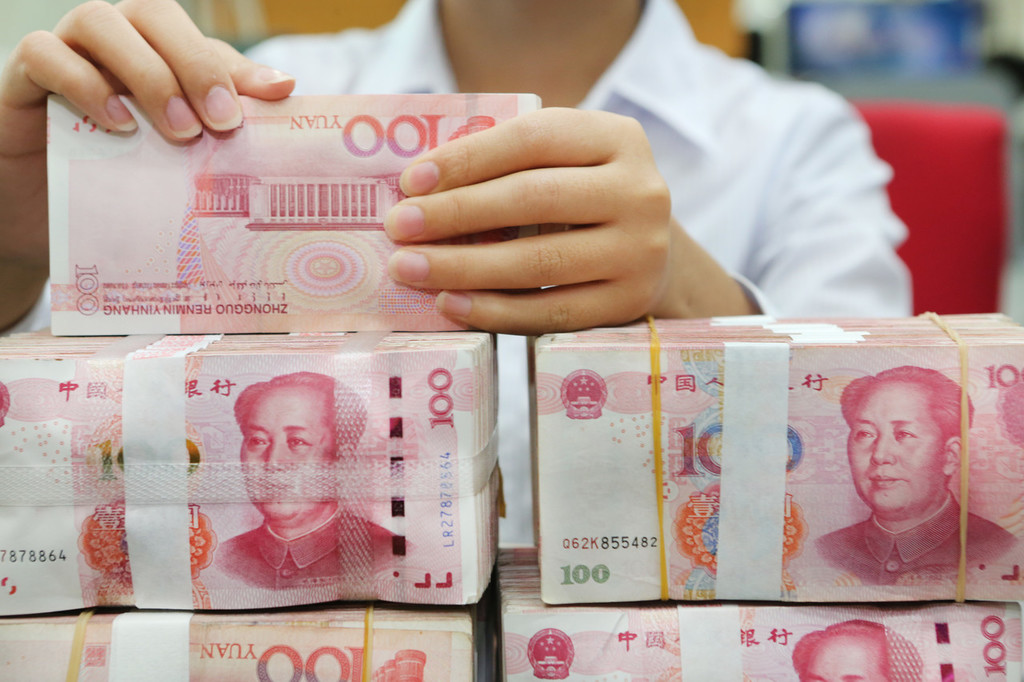
Home to the world's third-largest bond market worth more than 86 trillion yuan ($12.45 trillion), China has already attracted more than 1,200 overseas institutions to its onshore market so far.
Thanks to large trading volumes and a wide investor base, issuing renminbi-denominated bonds, or the panda bonds, in the onshore market has become more popular not only for sovereign issuers but foreign companies.
Semiconductor Manufacturing International Co, which is registered in Cayman Islands, is a case in point. It sold 500 million yuan panda bonds in the interbank market on April 29. China Chengxin International Credit Rating's AAA label suggested SMIC's panda bonds were regarded as of top quality.
According to the prospectus, the proceeds will be used to fund SMIC's Shanghai subsidiary and narrow the latter's 4.5 billion yuan financing gap.
As per local regulations, SMIC opened a non-resident account, or NRA, in Chinese banks for settlement. SMIC could borrow money from its cross-border RMB capital pool and transfer the fund to its Shanghai subsidiary.
As an increasing number of international companies start to do business in China, panda bonds have become an important tool to raise funds to support their domestic projects and operations.
Yuan-denominated bonds will help reduce currency rate risks, said Wang Tailei, a researcher at the National Association of Financial Market Institutional Investors.
Some of the world's Top 500 companies, such as Daimler AG, BMW and Air Liquidity, have issued panda bonds in China. "For international issuers, entering the Chinese bond market means they can tap a larger number of investors with diversified risk appetite," said Wang.
Besides, since 2016, the Chinese yuan has been part of the International Monetary Fund's basket of Special Drawing Rights, or SDRs, the supplementary foreign exchange reserve assets. So, global investors are more interested in holding yuan-denominated assets to hedge currency rate risks, said experts.
"Corporations are diversifying their investments by increasing RMB bonds, instead of focusing on investment in US dollar bonds," said Ivan Chung, head of China credit research and analysis at Moody's Investors Services.
The panda bond issuance cost is one of the key factors that global issuers consider before deciding the currency in which they issue their bonds. The RMB exchange rate against the US dollar, and China's interest rate level compared with the US Federal Reserve's policy rates, may influence the panda bond issuance levels, said Chung.
Global investors hope the Chinese financial regulators will remove certain policy restrictions, market insiders said.
On their wish list is permission for foreign investors to freely transfer positions among the existing cross-border investment mechanisms like qualified financial institutional investors, RMB-qualified foreign institutional investors, bond connects and China interbank bond market accounts.
This, they believe, will help improve the efficiency of fund deployment, said Guo Kai, deputy director-general of the International Department of the People's Bank of China.
"But a big gap remains in the depth and breadth of the bond market in China compared with that of major reserve-currency-issuing countries. China needs to further develop, open up, and improve the quality of the bond market not only to maintain financial stability as an emerging market but to meet the need for the yuan to become a major reserve currency," said Guo.