
<tt id="6hsgl"><pre id="6hsgl"><pre id="6hsgl"></pre></pre></tt>
          <nav id="6hsgl"><th id="6hsgl"></th></nav>
          国产免费网站看v片元遮挡,一亚洲一区二区中文字幕,波多野结衣一区二区免费视频,天天色综网,久久综合给合久久狠狠狠,男人的天堂av一二三区,午夜福利看片在线观看,亚洲中文字幕在线无码一区二区
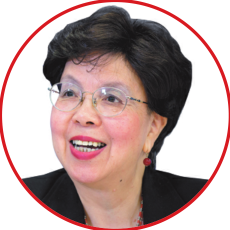
          Margaret Chan Fung Fu-chun
          Former director-general of the World Health Organization
          BORN:

          Aug 21, 1947, in Hong Kong

          EDUCATION:

          1973: Bachelor of Arts, home economics, Brescia University College

          1978: Doctor of Medicine, University of Western Ontario

          1985: Master of Science, public health, National University of Singapore

          CAREER:

          1978-89: Medical officer, Hong Kong Department of Health

          1989-92: Assistant director, Hong Kong Department of Health

          1992-93: Deputy director, Hong Kong Department of Health

          1994-2002: Director, Hong Kong Department of Health

          2003-05:Director, department for protection of the human environment, World Health Organization

          2005-06: Assistant director-general for communicable diseases, WHO

          2007-17: Director-general, WHO

          2018-present:Member of the National Committee of the Chinese People's Political Consultative Conference

          Focus on health the right prescription

          Former WHO director-general lauds China's commitment to medical services
          Pan Mengqi

          Editor's note: Last year marked the 40th anniversary of the launch of China's reform and opening-up policy. China Daily profiles people who experienced or witnessed the important drive.
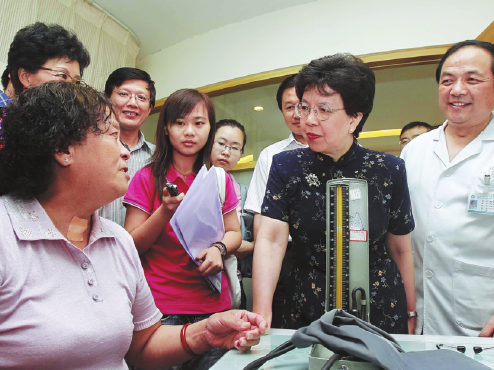
          World Health Organization director-general Margaret Chan Fung Fu-chun talks to a local resident while visiting a community healthcare center in Shanghai on July 30, 2010. LIU YING/XINHUA

          A country's wealth depends on a country's health - that's a motto former World Health Organization director-general Margaret Chan Fung Fu-chun holds dear.

          The Hong Kong-born physician said the key to China's achievements in the past four decades lies in its government's commitment to focusing on people's needs while seeking the nation's development.

          "Prosperity for all is impossible without health for all," she said. "In the past 40 years, China has always put the people's health at the top of its policy agenda, working hard to improve the people's health and fitness, and making universal health a primary goal of development."

          Chan became one of China's most high-profile UN officeholders when she headed the WHO for a decade from 2007.

          Her lifetime career in health began 29 years earlier, in 1978, when China embarked on reform and opening-up.

          "The year (1978) is important for me because it marked three meaningful things: my graduation from university; the beginning of China's reform and opening-up; and the recognition of China's promotion of health for all from the WHO," she said.

          After Chan obtained her medical degree from the University of Western Ontario in Canada, she joined the Hong Kong Department of Health as a medical officer in 1978.

          As a civil servant in Hong Kong under the British administration, Chan said she did not have many chances to travel to the Chinese mainland. But in an occasional meeting with Halfdan Mahler, then WHO director-general, she noticed that China was undergoing an "extraordinary health movement" at that time.

          "I remember Mahler had praised the mode of 'barefoot doctors', and said it was an attempt that can be promoted to more developing countries in the world," she said.

          When the People's Republic of China was founded in 1949, it had a weak medical and healthcare system due to low levels of economic and social development. Chinese people, mostly living in rural areas, lacked basic medical insurance and knowledge.

          The nation had only 3,670 medical and health institutions, 541,000 health workers and 85,000 beds at health institutions. The average life expectancy was 35 years.

          In 1951, the government declared that "basic healthcare should be provided by health workers and epidemic prevention staff in villages". The country later started a program to train villagers to provide basic medical care to fellow villagers, at home and at work. By the 1960s, more than 200,000 village doctors had been trained across China.


          1 2 3 4 Next   >>|
          Margaret Chan Fung Fu-chun
          Former director-general of the World Health Organization
          BORN:

          Aug 21, 1947, in Hong Kong

          EDUCATION:

          1973: Bachelor of Arts, home economics, Brescia University College

          1978: Doctor of Medicine, University of Western Ontario

          1985: Master of Science, public health, National University of Singapore

          CAREER:

          1978-89: Medical officer, Hong Kong Department of Health

          1989-92: Assistant director, Hong Kong Department of Health

          1992-93: Deputy director, Hong Kong Department of Health

          1994-2002: Director, Hong Kong Department of Health

          2003-05:Director, department for protection of the human environment, World Health Organization

          2005-06: Assistant director-general for communicable diseases, WHO

          2007-17: Director-general, WHO

          2018-present:Member of the National Committee of the Chinese People's Political Consultative Conference

          Focus on health the right prescription

          Former WHO director-general lauds China's commitment to medical services
          Pan Mengqi

          Editor's note: Last year marked the 40th anniversary of the launch of China's reform and opening-up policy. China Daily profiles people who experienced or witnessed the important drive.

          World Health Organization director-general Margaret Chan Fung Fu-chun talks to a local resident while visiting a community healthcare center in Shanghai on July 30, 2010. LIU YING/XINHUA

          A country's wealth depends on a country's health - that's a motto former World Health Organization director-general Margaret Chan Fung Fu-chun holds dear.

          The Hong Kong-born physician said the key to China's achievements in the past four decades lies in its government's commitment to focusing on people's needs while seeking the nation's development.

          "Prosperity for all is impossible without health for all," she said. "In the past 40 years, China has always put the people's health at the top of its policy agenda, working hard to improve the people's health and fitness, and making universal health a primary goal of development."

          Chan became one of China's most high-profile UN officeholders when she headed the WHO for a decade from 2007.

          Her lifetime career in health began 29 years earlier, in 1978, when China embarked on reform and opening-up.

          "The year (1978) is important for me because it marked three meaningful things: my graduation from university; the beginning of China's reform and opening-up; and the recognition of China's promotion of health for all from the WHO," she said.

          After Chan obtained her medical degree from the University of Western Ontario in Canada, she joined the Hong Kong Department of Health as a medical officer in 1978.

          As a civil servant in Hong Kong under the British administration, Chan said she did not have many chances to travel to the Chinese mainland. But in an occasional meeting with Halfdan Mahler, then WHO director-general, she noticed that China was undergoing an "extraordinary health movement" at that time.

          "I remember Mahler had praised the mode of 'barefoot doctors', and said it was an attempt that can be promoted to more developing countries in the world," she said.

          When the People's Republic of China was founded in 1949, it had a weak medical and healthcare system due to low levels of economic and social development. Chinese people, mostly living in rural areas, lacked basic medical insurance and knowledge.

          The nation had only 3,670 medical and health institutions, 541,000 health workers and 85,000 beds at health institutions. The average life expectancy was 35 years.

          In 1951, the government declared that "basic healthcare should be provided by health workers and epidemic prevention staff in villages". The country later started a program to train villagers to provide basic medical care to fellow villagers, at home and at work. By the 1960s, more than 200,000 village doctors had been trained across China.

          主站蜘蛛池模板: 女人喷液抽搐高潮视频| 激情亚洲内射一区二区三区| 成人一区二区三区激情视频 | 把女人弄爽大黄A大片片| 内地自拍三级在线观看| 国产免费高清69式视频在线观看| 99热这里只有精品久久免费| 青草视频在线播放| 国产精品高清一区二区三区| 91网址在线播放| 久久人妻无码一区二区三区av | 国产成人无码一区二区三区在线| 国产成人在线小视频| 国产香蕉尹人在线视频你懂的| 成人片99久久精品国产桃花岛| 国产精品一二二区视在线| 亚洲sm另类一区二区三区| 一本色道久久—综合亚洲| 亚洲国产av永久精品成人| 四虎国产精品久久免费地址| 国产一级老熟女自拍视频| 国产精品成人一区二区三区| 高清有码国产一区二区| 国产一区日韩二区欧美三区| 久久精品国产国产精品四凭| 黑人欧美一级在线视频| 又爆又大又粗又硬又黄的a片| 国产亚洲精品在av| 人xxxx性xxxxx欧美| 久久人人爽人人爽人人片dvd| 夜夜爽无码一区二区三区| 国产成人精品第一区二区| 色色97| 8AV国产精品爽爽ⅤA在线观看| 国产美女裸身网站免费观看视频 | 中文字幕无码av不卡一区| 强奷漂亮人妻系列老师| 亚洲理论电影在线观看| 国产高清视频在线播放www色| 无码一区中文字幕| 在线а√天堂中文官网|