
<tt id="6hsgl"><pre id="6hsgl"><pre id="6hsgl"></pre></pre></tt>
          <nav id="6hsgl"><th id="6hsgl"></th></nav>
          国产免费网站看v片元遮挡,一亚洲一区二区中文字幕,波多野结衣一区二区免费视频,天天色综网,久久综合给合久久狠狠狠,男人的天堂av一二三区,午夜福利看片在线观看,亚洲中文字幕在线无码一区二区
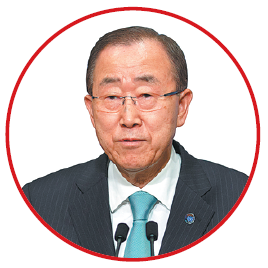
          Ban Ki-moon
          Eighth secretary-general of the United Nations
          BORN:

          June 13, 1944

          EDUCATION:

          1970: BA in international relations from Seoul National University, Republic of Korea

          1985: Master of Public Administration from Harvard University, United States

          CAREER:

          1987-90: Counselor at the ROK embassy to the United States

          1990-92: Director of American affairs at the ROK Foreign Ministry

          1995-96: ROK vice-minister for Policy Planning and International Organizations

          1996-98: National security adviser to the ROK president

          1998-2000: ROK ambassador to Austria

          2000-01: ROK vice-minister of foreign affairs

          2003: Foreign policy adviser to the ROK president

          2007-16: United Nations secretary-general

          2018: Chairman of the Boao Forum for Asia

          Ban urges China to increase presence on world stage
          Former UN secretary-general praises country's efforts to maintain global peace, tackle climate change and eradicate poverty
          Pan Mengqi in Seoul
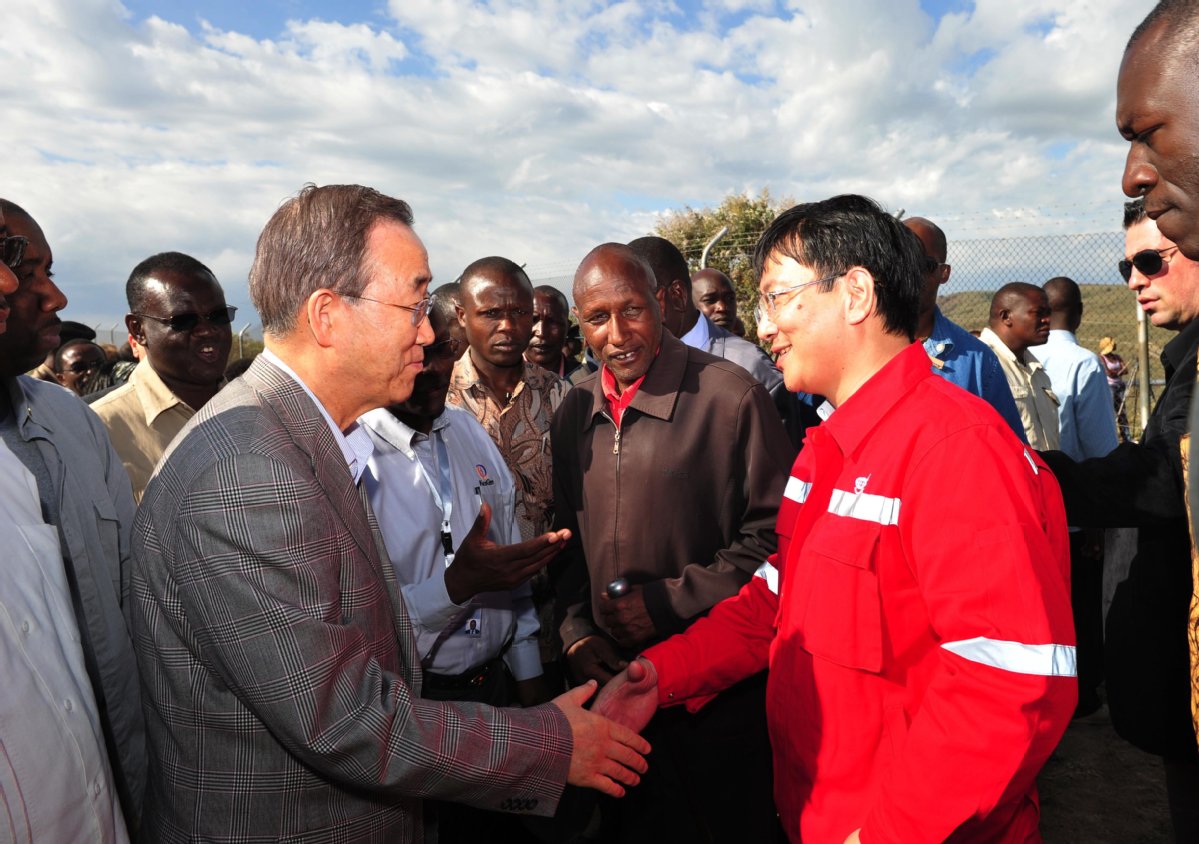
          Ban (left) shakes hands with Zhang Zhaofeng, the Kenya project manager of CNPC Greatwall Drilling Co, in Nairobi in 2011. [Photo/Xinhua]

          China released its national plan for implementing the goals in 2016, which Ban said "perfectly incorporated its domestic development plan with an international commitment".

          Within the goals, he said climate change is "one of the most concerning issues".

          One of his earliest major initiatives at the UN was the 2007 Climate Change Conference, followed by extensive diplomatic efforts that helped put the issue at the forefront of the global agenda.

          Ban said he pays a lot of attention to climate change because it is altering the Earth's character and creating dire risks and instability.

          "From record-breaking heat waves and wildfires, to hurricanes and flooding of historic intensity, climate change is no longer a debate. It is clearly here right now. The extreme weather events of just the last few months alone point to a bleak and dangerous future," he noted.

          "This summer, California has been engulfed in flames and smoke from historic wildfires. Intense and prolonged heat waves claimed dozens of lives in Japan and the Korean Peninsula. And near Greenland, the Arctic's thickest sea ice broke up for first time on record. These events no longer seem like anomalies; rather, they appear to be the new normal."

          He added that the necessary steps should be taken to combat climate change otherwise these turbulent shifts will continue to bring dangerous scorching heat waves to cities and rural areas, which will drive displacement and seriously threaten entire communities and countries.

          With this reality in mind, Ban is happy to see that many countries, including China, are stepping up collective efforts to implement the Paris climate agreement.

          Ban regards the signing of the agreement as one of his most significant achievements during his tenure at the UN, and he believes that it offers scope to counter the serious threats to the planet.

          The agreement, signed by nearly 200 countries in 2015, set viable targets to impede rising temperatures, constrict emissions of greenhouse gases and spur climate-resilient development and green growth.

          "To achieve these goals, we need to keep working together," Ban said, adding that he is deeply disappointed that the United States has withdrawn from the agreement, and the move isolates the US from every other country in terms of climate policy.

          "It is scientifically wrong and economically irresponsible, and it will be on the wrong side of history. I greatly hope that this decision is reconsidered and reversed," he said.

          However, he believes that there are still many reasons for optimism.

          He said China's growing climate leadership in these difficult times for the planet has the potential to positively affect the Asian region and the world at large. The country's decision to set a deadline to completely phase out sales of fossil-fuel-powered vehicles is a sterling example in this regard, he added.

          Ban said he also greatly values China's contribution to UN peacekeeping pledges, adding that the country's contribution of troops for UN missions in complex and challenging environments is "a role model for other countries".

          He listed China's contributions to the promotion of peace and security in Syria, Afghanistan, Myanmar, Sudan and South Sudan, and encouraged the country to remain focused on these issues.

          "This not only shows that China is a peace-loving country, but it is also taking more responsibility to bring peace to other places in the world," he said.

          Born in the Republic of Korea in 1944, Ban witnessed how the Korean War (1950-53) destroyed buildings, separated families and damaged economies.

          "I grew up in war, and I saw the UN help my country recover and rebuild. That experience was a big part of what led me to pursue a career in public service," he said.

          Established in 1945, the UN was designed to provide an international forum for the maintenance of global peace and security as the ashes of war dispersed. Although the UN had numerous critics at the time, Ban said the organization offered all nations and peoples an alternative to the bombs, guns and destruction of World War II.


          Ban Ki-moon
          Eighth secretary-general of the United Nations
          BORN:

          June 13, 1944

          EDUCATION:

          1970: BA in international relations from Seoul National University, Republic of Korea

          1985: Master of Public Administration from Harvard University, United States

          CAREER:

          1987-90: Counselor at the ROK embassy to the United States

          1990-92: Director of American affairs at the ROK Foreign Ministry

          1995-96: ROK vice-minister for Policy Planning and International Organizations

          1996-98: National security adviser to the ROK president

          1998-2000: ROK ambassador to Austria

          2000-01: ROK vice-minister of foreign affairs

          2003: Foreign policy adviser to the ROK president

          2007-16: United Nations secretary-general

          2018: Chairman of the Boao Forum for Asia

          Ban urges China to increase presence on world stage

          Former UN secretary-general praises country's efforts to maintain global peace, tackle climate change and eradicate poverty
          Pan Mengqi in Seoul
          Ban (left) shakes hands with Zhang Zhaofeng, the Kenya project manager of CNPC Greatwall Drilling Co, in Nairobi in 2011. [Photo/Xinhua]

          China released its national plan for implementing the goals in 2016, which Ban said "perfectly incorporated its domestic development plan with an international commitment".

          Within the goals, he said climate change is "one of the most concerning issues".

          One of his earliest major initiatives at the UN was the 2007 Climate Change Conference, followed by extensive diplomatic efforts that helped put the issue at the forefront of the global agenda.

          Ban said he pays a lot of attention to climate change because it is altering the Earth's character and creating dire risks and instability.

          "From record-breaking heat waves and wildfires, to hurricanes and flooding of historic intensity, climate change is no longer a debate. It is clearly here right now. The extreme weather events of just the last few months alone point to a bleak and dangerous future," he noted.

          "This summer, California has been engulfed in flames and smoke from historic wildfires. Intense and prolonged heat waves claimed dozens of lives in Japan and the Korean Peninsula. And near Greenland, the Arctic's thickest sea ice broke up for first time on record. These events no longer seem like anomalies; rather, they appear to be the new normal."

          He added that the necessary steps should be taken to combat climate change otherwise these turbulent shifts will continue to bring dangerous scorching heat waves to cities and rural areas, which will drive displacement and seriously threaten entire communities and countries.

          With this reality in mind, Ban is happy to see that many countries, including China, are stepping up collective efforts to implement the Paris climate agreement.

          Ban regards the signing of the agreement as one of his most significant achievements during his tenure at the UN, and he believes that it offers scope to counter the serious threats to the planet.

          The agreement, signed by nearly 200 countries in 2015, set viable targets to impede rising temperatures, constrict emissions of greenhouse gases and spur climate-resilient development and green growth.

          "To achieve these goals, we need to keep working together," Ban said, adding that he is deeply disappointed that the United States has withdrawn from the agreement, and the move isolates the US from every other country in terms of climate policy.

          "It is scientifically wrong and economically irresponsible, and it will be on the wrong side of history. I greatly hope that this decision is reconsidered and reversed," he said.

          However, he believes that there are still many reasons for optimism.

          He said China's growing climate leadership in these difficult times for the planet has the potential to positively affect the Asian region and the world at large. The country's decision to set a deadline to completely phase out sales of fossil-fuel-powered vehicles is a sterling example in this regard, he added.

          Ban said he also greatly values China's contribution to UN peacekeeping pledges, adding that the country's contribution of troops for UN missions in complex and challenging environments is "a role model for other countries".

          He listed China's contributions to the promotion of peace and security in Syria, Afghanistan, Myanmar, Sudan and South Sudan, and encouraged the country to remain focused on these issues.

          "This not only shows that China is a peace-loving country, but it is also taking more responsibility to bring peace to other places in the world," he said.

          Born in the Republic of Korea in 1944, Ban witnessed how the Korean War (1950-53) destroyed buildings, separated families and damaged economies.

          "I grew up in war, and I saw the UN help my country recover and rebuild. That experience was a big part of what led me to pursue a career in public service," he said.

          Established in 1945, the UN was designed to provide an international forum for the maintenance of global peace and security as the ashes of war dispersed. Although the UN had numerous critics at the time, Ban said the organization offered all nations and peoples an alternative to the bombs, guns and destruction of World War II.

          主站蜘蛛池模板: 亚洲亚洲网站三级片在线 | 亚洲乱码一二三四区国产| 人妻在线无码一区二区三区| 国产精品乱码久久久久久小说| 国产成人AV大片大片在线播放| 日韩一区二区三区三级| 星空影院电影电视剧免费播放| 中文字幕无码av不卡一区| 亚洲不卡一区二区在线看| 久久天天躁夜夜躁狠狠85| 国产精品视频全国免费观看| 疯狂的欧美乱大交另类| 亚洲女人αV天堂在线| 麻豆一区二区中文字幕| 日韩精品久久一区二区三| 2020年最新国产精品正在播放| 一本色道久久综合亚洲精品不卡| 无码高潮少妇毛多水多水免费 | 欧美人在线一区二区三区| 欧美中日韩免费观看网站| 精品国产美女福到在线不卡| 亚洲国产精品区一区二区| 成人在线亚洲| 久久国内精品自在自线91| 欧美人与zoxxxx另类| 午夜福利国产盗摄久久性| 欧美性69式xxxx护士| 91久久国产成人免费观看| 一个人在看www免费| 在线视频 亚洲精品| 国产美女被遭强高潮免费一视频| 正在播放国产精品白丝在线| 无套内射视频囯产| 国内大量情侣作爱视频| 国产精品色呦呦在线观看| 国产亚洲日韩在线aaaa| 99午夜精品亚洲一区二区| 中文字字幕人妻中文| 国产高清乱码又大又圆| 国产av剧情无码精品色午夜| 国产视频最新|