
<tt id="6hsgl"><pre id="6hsgl"><pre id="6hsgl"></pre></pre></tt>
          <nav id="6hsgl"><th id="6hsgl"></th></nav>
          国产免费网站看v片元遮挡,一亚洲一区二区中文字幕,波多野结衣一区二区免费视频,天天色综网,久久综合给合久久狠狠狠,男人的天堂av一二三区,午夜福利看片在线观看,亚洲中文字幕在线无码一区二区
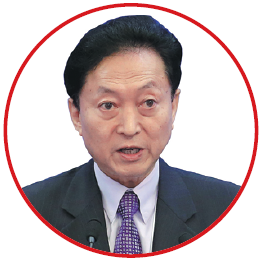
          Yukio Hatoyama
          Former Japanese prime minister
          BORN:

          Tokyo on Feb 11, 1947

          EDUCATION:

          1969: BA in engineering, University of Tokyo

          1976: PhD in industrial engineering, Stanford University

          CAREER:

          1981: Teaches management at Senshu University in Tokyo

          1986: Elected to Japanese House of Representatives

          1996: Forms Democratic Party of Japan

          Sept 1999-Dec 2002: DPJ leader

          May 2009-June 2010: DPJ leader

          Sept 2009: Becomes prime minister after commanding victory over Liberal Democratic Party, which had governed Japan almost continuously since 1955

          June 2010: Resigns as prime minister

          2012: Stands down as member of House of Representatives

          2013: Establishes East Asian Community Institute

          A family history of enhancing ties
          Former Japanese prime minister Yukio Hatoyama says country can learn a lot from China's development
          Pan Mengqi and Liu Yang
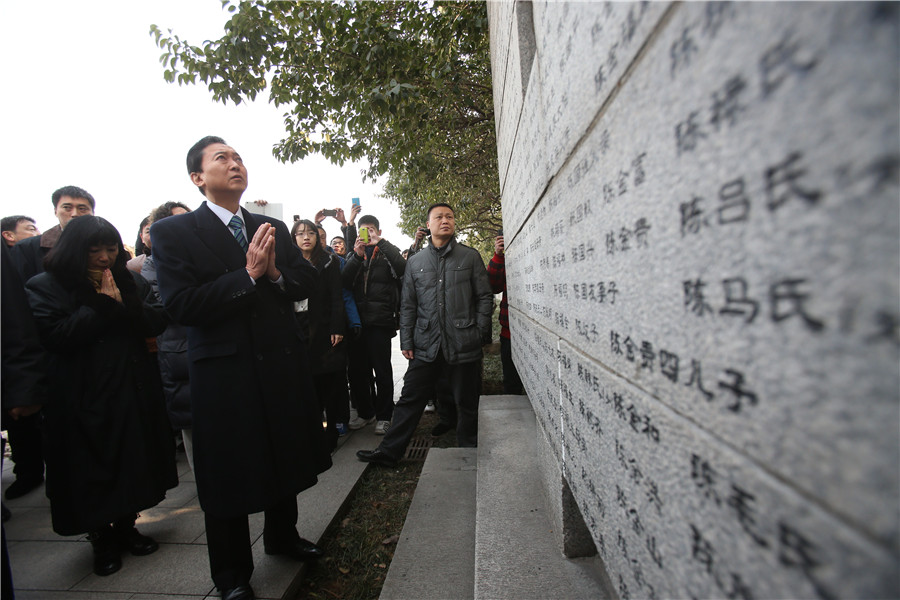
          Yukio Hatoyama pays a visit to the Memorial Hall of Victims of Nanjing Massacre in Nanjing, Jiangsu province, on Jan 17, 2013. [SONG QIAO/FOR CHINA DAILY]

          Japanese military police chief Captain Hatoyama, the main villain in the modern Peking Opera The Legend of the Red Lantern, is a notoriously brutal character.

          One of the eight model plays, the only operas and ballets permitted during the "cultural revolution" (1966-76), The Legend of the Red Lantern, set during the War of Resistance Against Japanese Aggression (1931-45), made the name Hatoyama well known, if not well respected, in China. The opera was also later adapted into movies and TV series.

          Yukio Hatoyama, Japan's prime minister from 2009 to 2010 and one of the few leaders of that country to have admitted and apologized for its war crimes, said his father had sought to "clarify his family's reputation".

          In the 1970s, his father, Japanese foreign minister Iichiro Hatoyama, brought the "family complaint" to the attention of then premier Zhou Enlai.

          "In Japan, Hatoyama is a rare surname and only my family is using this surname," Iichiro Hatoyama told Zhou during a visit to Beijing. "I have checked the Hatoyama genealogy book and no one was conscripted into the army during World War II, let alone among the invaders."

          Yukio Hatoyama said his father wanted to impress upon Zhou that the Hatoyamas were neither villains nor invaders.

          Even though the villain's name in the opera was not changed, Yukio Hatoyama said he thought the "interlude in history" was respected by the Chinese, as he had not seen any Japanese invaders named Hatoyama in any movies or TV series made afterward.

          "In fact, my family have devoted their lifetime efforts to making China-Japan ties run in a positive direction for more than 100 years," he said, adding that those efforts had been important for both sides in past decades.

          Dubbed "Japan's Kennedy family", the Hatoyama family's patriarchal head was his great-grandfather, Kazuo Hatoyama, who was president of Tokyo's Waseda University in the 1890s.

          During that time, Waseda became the first Japanese university to accept Chinese students, with the first one admitted in 1899, and 762 enrolling in the following two years, including Lu Xun (1881-1936), a leading figure of modern Chinese literature.

          Kazuo Hatoyama's son, Ichiro Hatoyama, was prime minister of Japan from 1954 to 1956, when it had yet to establish formal diplomatic ties with the People's Republic of China.

          "My grandfather wanted to realize the normalization of Sino-Japanese relations during his tenure, but the political situation was not mature at that time," Yukio Hatoyama said.

          However, Ichiro Hatoyama did appoint Japanese businessman-politician Takasaki Tatsunosuke to attend the first Asian-African Conference, in Bandung, Indonesia, in 1955, where Tatsunosuke met Zhou, setting a precedent for official Sino-Japanese exchanges after the end of the War of Resistance Against Japanese Aggression.

          Although Ichiro Hatoyama did not realize the dream of seeing relations between the two neighbors normalized, his son, Iichiro Hatoyama, made an important contribution to it.

          When he was Japanese foreign minister in the 1970s, he was responsible for the negotiations that led to the signing of the China-Japan Peace and Friendship Treaty in 1978.


          1 2 Next   >>|
          Yukio Hatoyama
          Former Japanese prime minister
          BORN:

          Tokyo on Feb 11, 1947

          EDUCATION:

          1969: BA in engineering, University of Tokyo

          1976: PhD in industrial engineering, Stanford University

          CAREER:

          1981: Teaches management at Senshu University in Tokyo

          1986: Elected to Japanese House of Representatives

          1996: Forms Democratic Party of Japan

          Sept 1999-Dec 2002: DPJ leader

          May 2009-June 2010: DPJ leader

          Sept 2009: Becomes prime minister after commanding victory over Liberal Democratic Party, which had governed Japan almost continuously since 1955

          June 2010: Resigns as prime minister

          2012: Stands down as member of House of Representatives

          2013: Establishes East Asian Community Institute

          A family history of enhancing ties

          Former Japanese prime minister Yukio Hatoyama says country can learn a lot from China's development
          Pan Mengqi and Liu Yang
          Yukio Hatoyama pays a visit to the Memorial Hall of Victims of Nanjing Massacre in Nanjing, Jiangsu province, on Jan 17, 2013. [SONG QIAO/FOR CHINA DAILY]

          Japanese military police chief Captain Hatoyama, the main villain in the modern Peking Opera The Legend of the Red Lantern, is a notoriously brutal character.

          One of the eight model plays, the only operas and ballets permitted during the "cultural revolution" (1966-76), The Legend of the Red Lantern, set during the War of Resistance Against Japanese Aggression (1931-45), made the name Hatoyama well known, if not well respected, in China. The opera was also later adapted into movies and TV series.

          Yukio Hatoyama, Japan's prime minister from 2009 to 2010 and one of the few leaders of that country to have admitted and apologized for its war crimes, said his father had sought to "clarify his family's reputation".

          In the 1970s, his father, Japanese foreign minister Iichiro Hatoyama, brought the "family complaint" to the attention of then premier Zhou Enlai.

          "In Japan, Hatoyama is a rare surname and only my family is using this surname," Iichiro Hatoyama told Zhou during a visit to Beijing. "I have checked the Hatoyama genealogy book and no one was conscripted into the army during World War II, let alone among the invaders."

          Yukio Hatoyama said his father wanted to impress upon Zhou that the Hatoyamas were neither villains nor invaders.

          Even though the villain's name in the opera was not changed, Yukio Hatoyama said he thought the "interlude in history" was respected by the Chinese, as he had not seen any Japanese invaders named Hatoyama in any movies or TV series made afterward.

          "In fact, my family have devoted their lifetime efforts to making China-Japan ties run in a positive direction for more than 100 years," he said, adding that those efforts had been important for both sides in past decades.

          Dubbed "Japan's Kennedy family", the Hatoyama family's patriarchal head was his great-grandfather, Kazuo Hatoyama, who was president of Tokyo's Waseda University in the 1890s.

          During that time, Waseda became the first Japanese university to accept Chinese students, with the first one admitted in 1899, and 762 enrolling in the following two years, including Lu Xun (1881-1936), a leading figure of modern Chinese literature.

          Kazuo Hatoyama's son, Ichiro Hatoyama, was prime minister of Japan from 1954 to 1956, when it had yet to establish formal diplomatic ties with the People's Republic of China.

          "My grandfather wanted to realize the normalization of Sino-Japanese relations during his tenure, but the political situation was not mature at that time," Yukio Hatoyama said.

          However, Ichiro Hatoyama did appoint Japanese businessman-politician Takasaki Tatsunosuke to attend the first Asian-African Conference, in Bandung, Indonesia, in 1955, where Tatsunosuke met Zhou, setting a precedent for official Sino-Japanese exchanges after the end of the War of Resistance Against Japanese Aggression.

          Although Ichiro Hatoyama did not realize the dream of seeing relations between the two neighbors normalized, his son, Iichiro Hatoyama, made an important contribution to it.

          When he was Japanese foreign minister in the 1970s, he was responsible for the negotiations that led to the signing of the China-Japan Peace and Friendship Treaty in 1978.

          主站蜘蛛池模板: 邻居少妇张开腿让我爽了在线观看 | 精品久久久久久中文字幕2017| 国产精品乱码一区二区三| 国产成人AV一区二区三区无码| 久久久久88色偷偷| 亚洲国产在一区二区三区| 国产目拍亚洲精品一区二区| 久久午夜无码免费| 中文字幕在线制服丝袜| 亚洲天堂成人黄色在线播放| 国产免费一区二区三区在线观看| 国产成人av免费观看| 欧美黑人XXXX性高清版| 国内精品久久久久影院不卡| 久久天天躁夜夜躁狠狠85| 免费A级毛片樱桃视频| 成年女人片免费视频播放A| 被绑在坐桩机上抹春药| 成人午夜在线观看刺激| 国产大屁股视频免费区| 视频一区视频二区在线视频| 久久香蕉欧美精品| 国产av综合色高清自拍| 国产亚洲av夜间福利香蕉149| 国产成人AV男人的天堂| 日本边吃奶边摸边做在线视频| 97精品伊人久久久大香线蕉| 精品国产一区二区三区麻豆| 亚洲色大成网站www在线观看| 国产欧美日韩精品丝袜高跟鞋| 亚洲va欧美va国产综合| 午夜精品福利亚洲国产| 福利导航第一福利导航| 日韩国产精品区一区二区| 日本福利视频免费久久久| 夜夜嗨久久人成在日日夜夜| 国产一区二区亚洲一区二区三区| 国产成人精品一区二三区| 国产最新AV在线播放不卡| 国产精品白浆无码流出| 精品国产一区二区三区国产馆|