<tt id="6hsgl"><pre id="6hsgl"><pre id="6hsgl"></pre></pre></tt>
          <nav id="6hsgl"><th id="6hsgl"></th></nav>
          国产免费网站看v片元遮挡,一亚洲一区二区中文字幕,波多野结衣一区二区免费视频,天天色综网,久久综合给合久久狠狠狠,男人的天堂av一二三区,午夜福利看片在线观看,亚洲中文字幕在线无码一区二区
          Global EditionASIA 中文雙語Fran?ais
          Lifestyle
          Home / Food

          Anyone for a White Rabbit? China's massive snacks industry goes ballistic

          By Zhang Zhouxiang | China Daily | Updated: 2018-10-06 14:40
          Share
          Share - WeChat
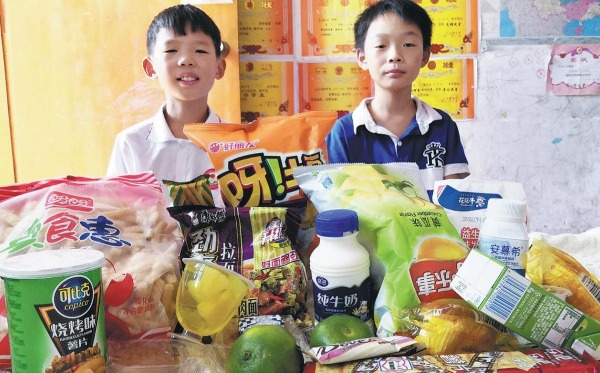
          Yuan Jinghao and Zhu Xinyu, two cousins born in 2008 and 2009, proudly pose together with their snacks. However, the daily amount of snacks they are allowed to take is limited. [Provided to China Daily]

          Increasing affluence of people has seen nation's diet change radically, with implications for long-term health

          "Snacks? I don't think we had the concept in my childhood," recalls Gao Cuiling, now 54 years old, and reminiscing about being a girl back in the 1960s.

          That may well be, but nowadays she's busy taking care of her one-year-old granddaughter and fretting about how to prevent the baby from gobbling snacks that might taste good but aren't suitable for her.

          Gao's early memories are shared by many of her generation. During the 1960s, China's total grain output had increased, but by today's standards it was meager. And the production record set in the 1960s was still only 210 million tons, equivalent to 280 kilos per person for the whole year. That's enough to fill peoples' bellies, but not enough to support any vibrant national snacks-producing industry.

          The snacks made at the time were more like luxuries, too, beyond the reach of ordinary folk. Back in 1959, ABC Mickey Mouse Sweets - which later morphed to become the famous White Rabbit Creamy Candy and whose history can be traced back to Shanghai in the 1940s - accounted for so high percent of the monthly salary of an average worker during that period that it was considered luxurious.

          Things fared a little better in the late 1970s. "During festivals we got some additional food such as sweet rice dumplings for the Lantern Festival, or rice cakes for the Dragon Boat Festival," Gao said.

          "They're probably the earliest snacks in my memory, if you insist on calling them that," she adds.

          It was after the Reform and Opening-up in 1978 that China's economy really took off, which in turn caused a food boom. In the 1980s, China's food production kept growing and finally reached 400 million tons in 1989, double the record set in the 1960s.

          That also marked the start of the massive consumption of snacks in the country.

          1 2 3 Next   >>|
          Most Popular
          Top
          BACK TO THE TOP
          English
          Copyright 1995 - . All rights reserved. The content (including but not limited to text, photo, multimedia information, etc) published in this site belongs to China Daily Information Co (CDIC). Without written authorization from CDIC, such content shall not be republished or used in any form. Note: Browsers with 1024*768 or higher resolution are suggested for this site.
          License for publishing multimedia online 0108263

          Registration Number: 130349
          FOLLOW US
           
          主站蜘蛛池模板: 鲁丝片一区二区三区免费| 欧美自慰一级看片免费| 国产福利2021最新在线观看| 国产传媒剧情久久久av| 亚洲hairy多毛pics大全| 成人国产在线看不卡| 国语偷拍视频一区二区三区| 一本色道婷婷久久欧美| 99久久精品国产一区二区暴力 | 国产成人8X人网站视频| 四虎成人精品永久网站| 无遮无挡爽爽免费视频| 极品国产一区二区三区| 亚洲图片综合图区20p| 国产在线观看网址不卡一区| 色综合色综合色综合久久| 国产日韩综合av在线| 99久久婷婷国产综合精品青草漫画 | 蜜臀av久久国产午夜| 国产亚洲欧洲av综合一区二区三区 | 成人特黄特色毛片免费看| 国产精品一国产精品亚洲| 99久久精品国产一区色| 国产成人a在线观看视频免费| 深夜视频国产在线观看| 久9视频这里只有精品| 日本国产精品第一页久久 | 亚洲成人资源在线观看| 久久国产精品老人性| av无码精品一区二区乱子| 国产久免费热视频在线观看| 一区二区三区四区五区自拍| 99偷拍视频精品一区二区| 国产一区精品综亚洲av| 九色综合国产一区二区三区| 人妻系列无码专区免费| 亚洲精品天天影视综合网| 久久一日本综合色鬼综合色| 久久精品国产无限资源| 亚洲一区精品视频在线| 久久精品熟妇丰满人妻久久|