



China sharing virus samples, WHO says







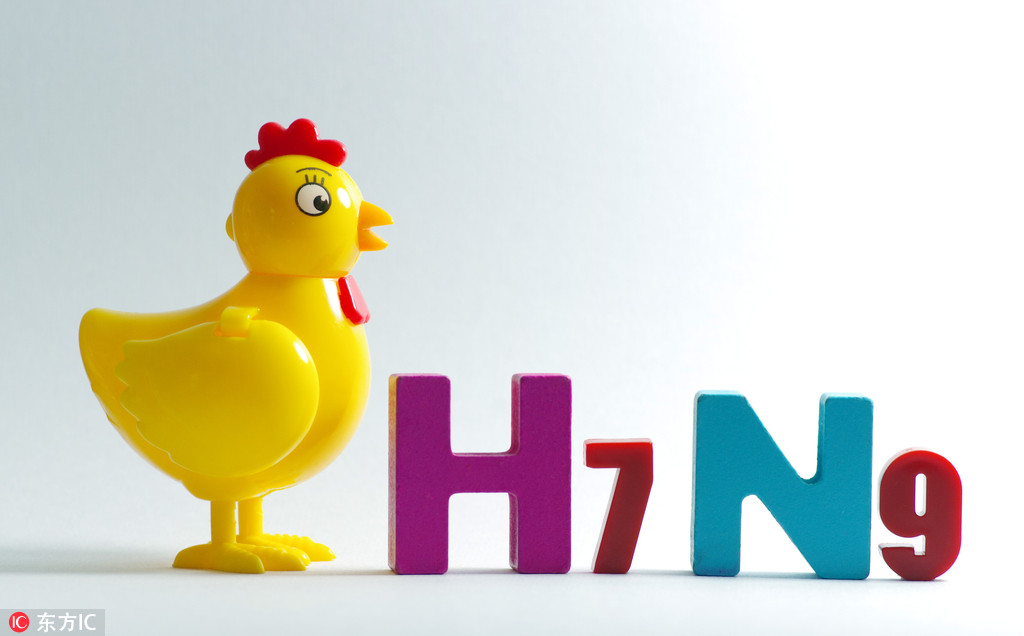
China and the United States have continued sharing influenza virus samples for public health purposes, and the US Centers for Disease Control and Prevention has received five H7N9 viruses from the China CDC since May this year, according to the World Health Organization.
The statement was made in response to a US media report, citing allegations by US officials, that China has refused for more than a year to share H7N9 virus with the US to develop vaccines and treatments.
Influenza virus sharing for public health via the WHO Global Influenza Surveillance and Response System has been ongoing for 66 years, and the China and US CDCs are two of the six WHO Collaborating Centres participating in the response system, the WHO said.
Both institutions actively exchange information and materials, such as reference viruses (seasonal, zoonotic and pandemic viruses), sera panels and reagents for risk assessment and development of countermeasures, it said in a written interview with China Daily on Thursday.
H7N9, which can be transmitted from birds to humans, could result in a mortality rate of more than 40 percent for humans, some experts said.
When human cases of H7N9 virus infection were first detected in 2013 in China, genetic sequence data was shared rapidly by the China CDC via GISAID-a publicly accessible database for development of vaccines, diagnostics and risk assessment. Since then, the China CDC has continued to upload genetic sequence data of recent H7N9 viruses into GISAID, according to the WHO.
Regarding virus material movement, the CDCs in China and the US have continuously exchanged viruses, the WHO said. Aside from seasonal influenza virus materials, since 2006, the China CDC has shared, through the Global Influenza Surveillance and Response System, a total of 52 influenza viruses of pandemic potential, including H5N1, H5N6, H7N9 and H10N8 subtypes, the WHO said.
A source with the China CDC who requested anonymity confirmed that the center sent five H7N9 viruses to the US CDC in July. "We have always kept sharing viruses," he said.
The New York Times reported on Monday that China has not provided samples of the dangerous virus in the past year, despite persistent requests from government officials and research institutions in the US. In the past, such exchanges have been mostly routine under rules established by the WHO, the report said.
Now, as the US and China spar over trade, some scientists worry that the vital exchange of medical supplies and information could slow, hampering preparedness for the next biological threat, the report said.
H7N9 was first discovered in China in 2013, and sporadic outbreaks have been reported since then, forcing authorities to take measures such as closing down live poultry trade markets, slaughtering all chickens suspected of being infected, and carrying out quarantine measures in areas where outbreaks occurred.
China reported a total of 589 human H7N9 cases last year, including 259 deaths-compared with 264 cases, including 73 deaths, in 2016, according to the National Health Commission.
While H7N9 generally is not transmitted from person to person, the WHO has called for more vigilance and stressed the possibility that the virus may adapt to "facilitate efficient, sustained human-to-human transmission".
Regarding international exchanges of virus for research, the procedures and regulations for import and export of pathogens, including influenza, have become increasingly complex, the WHO said.
For instance, there are multiple national regulations governing the export-import of infectious substances-such as biosafety and biosecurity regulations, transportation regulations, and trade and customs regulations-as well as international agreements governing the sharing of virus samples, it said.


- China gala exposes chicken feet bleaching with hydrogen peroxide
- Top work safety body to oversee probe into fatal incidents
- China launches Institute of Global Development
- Why Hamilton loves China?
- China's largest coalbed methane field sees record daily output
- China releases full text of NPC Standing Committee work report





