Biofuels push to help clear the air







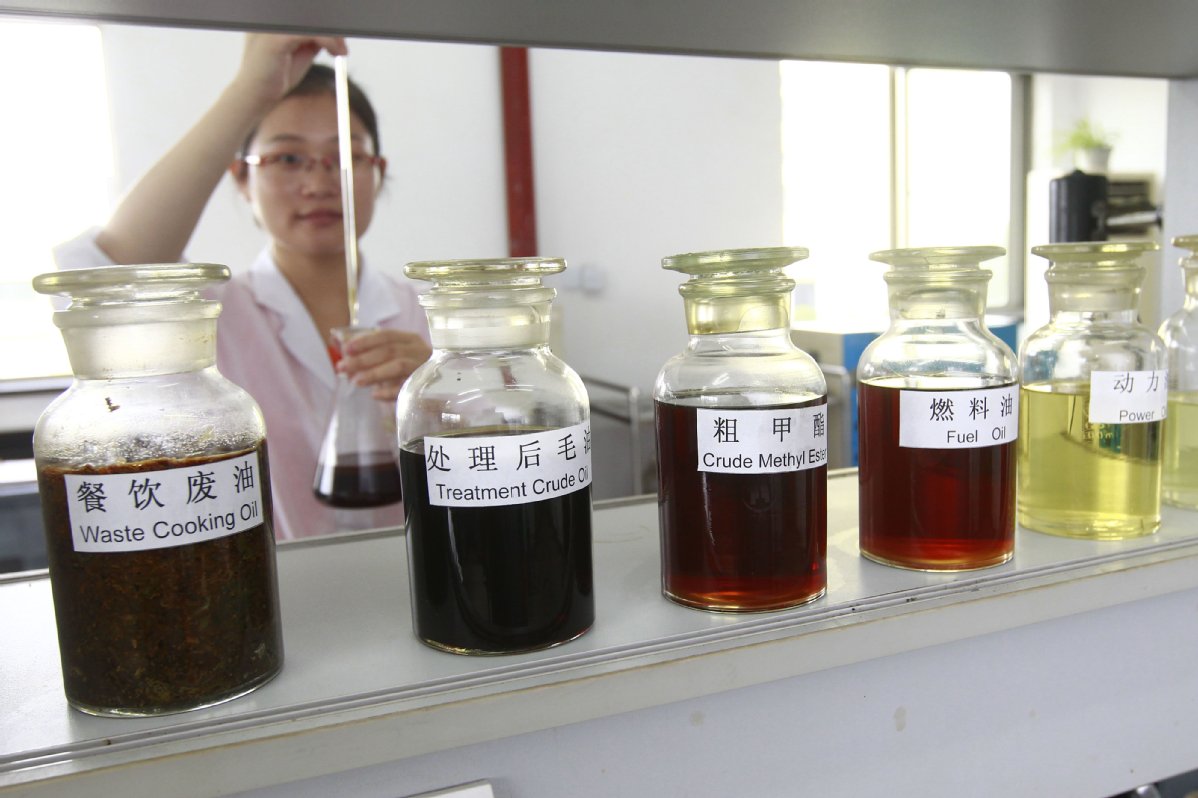
The Indian government aims to develop a biofuel economy worth $15.6 billion over the next two years.
In Thailand, the government aims to increase the ethanol content in fuel from 7 to 10 percent; Indonesia wants to increase it from 20 to 25 percent, while Vietnam wants a 5 percent blend in its fuel mix.
A study in April by Queensland University of Technology in Australia said the Australian government should mandate the use of biofuels, adding this could deliver more than 8,000 direct and indirect jobs and generate $1 billion a year in revenue. At present, only two states in the country have mandated ethanol mixes in fuel sold at the pumps.
Just how sustainable biofuels are is open to debate, according to the ERIA's Anbumozhi.
"If you look at it from the macroeconomic level, it does contribute to energy security," he said.
"At the meso or sector level, the answer is mixed. Biofuels do contribute to the reduction in CO2 emissions in the transport sector, but when you look at it from the micro or farm level, the answer is no," Anbumozhi said.
(In general, meso-level indicates a population size that falls between the micro and macro levels, such as a community or organization.)
"My point is that biofuels need to compete with oil. It is difficult for biofuels, which are expensive to produce, to compete with oil if the price surges, and there is always a question over food security," he said.
With a growing population, rising income levels and expanding urbanization, Asia's demand for oil is increasing rapidly.
Asia's oil use will increase to about 6.6 million barrels per day by 2040 from 4.7 million now, with the number of road vehicles increasing by two-thirds to about 62 million, the IEA said in a report in October.
Due to limited fuel reserves, most countries in the region are heavily dependent on imports for their oil supply, which is a major, if not the most critical, concern in their energy policies, analysts said.
Although it has been debated intensively, biofuel is perceived as one possible option to address the oil security issue, since expanding the use of biofuels will not only result in reducing the demand for oil but also contribute to the diversification of import sources for liquid fuels.
Biofuel production will also provide an additional way to increase the income of farmers throughout the region. But this argument has its own problems, especially for Malaysia and Indonesia-the world's biggest producers of palm oil.
Earlier this year, the European Parliament voted to ban the use of palm oil in biofuels from 2021, amid mounting concerns about the impact on the environment.
Malaysia and Indonesia fear that if the ban goes ahead, the livelihoods of well over 1 million rural workers could be affected.
Palm oil, also a major ingredient in products from food to cosmetics, has long been controversial, as environmentalists say it drives deforestation, with huge swathes of rainforest, particularly in Indonesia, logged in recent decades to make way for palm oil plantations.
The use of the commodity in food and cosmetics has already declined in Europe, partly due to pressure on major corporations from green groups, but its use has been increasing in biofuels.
Replacing fossil fuels with biofuels has the potential to generate several benefits. In contrast to fossil fuels, which are exhaustible resources, biofuels are produced from renewable feedstock.
Their production and use could, in theory, be sustained indefinitely-resulting in major economic benefits and reducing the dependency on imported oil.





- Tsinghua math talent rivals top US peers, Yau says
- China's sacred revolutionary sites Zunyi, Yan'an to be connected by high-speed rail
- Power of education shines in Xizang
- Ancient pressure cooker making a stir
- Ten photos from across China: Jan 16 – 22
- China moves to set national standards for pre-made dishes