
<tt id="6hsgl"><pre id="6hsgl"><pre id="6hsgl"></pre></pre></tt>
          <nav id="6hsgl"><th id="6hsgl"></th></nav>
          国产免费网站看v片元遮挡,一亚洲一区二区中文字幕,波多野结衣一区二区免费视频,天天色综网,久久综合给合久久狠狠狠,男人的天堂av一二三区,午夜福利看片在线观看,亚洲中文字幕在线无码一区二区
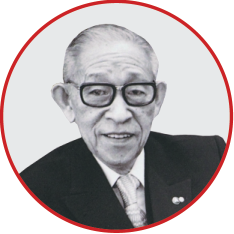
          Konosuke Matsushita
          Founder of Matsushita Electric
          Known in Japan as "the god of management", Konosuke Matsushita was a man of vision.

          He was born in 1894, the youngest child in a family of 10.

          Matsushita was sent to Osaka to be an apprentice in a charcoal brazier shop at the age of 9. With harsh experience in his early days, Matsushita always looked at difficult times with great optimism to learn, improve and strengthen himself. He started his own company, Matsushita Electric, at the age of 22.

          He excelled as an innovator and a leader, turning his company into an electronics giant. Matsushita Electric's success led to visits from foreign VIPs such as United States attorney general Robert Kennedy and Indian prime minister Indira Gandhi, and the media also embraced Matsushita. He was featured in Life magazine in September 1954, and appeared on the cover of Time magazine in February 1963, bringing Matsushita Electric to worldwide prominence.

          He retired as company chairman in 1973. Five years later, he spent 7 billion yen (equal to about $32 million at the time) of his own money to build the Matsushita Institute of Government and Management in the hope of training future leaders. Its graduates include people working in a wide range of fields, from politics to business, media, research and education.

          Matsushita died in 1989 at age 94.

          The tour that helped change a nation
          An unlikely friendship between two men whose countries had once been implacable enemies helped put China on the road to modernity
          Cai Hong
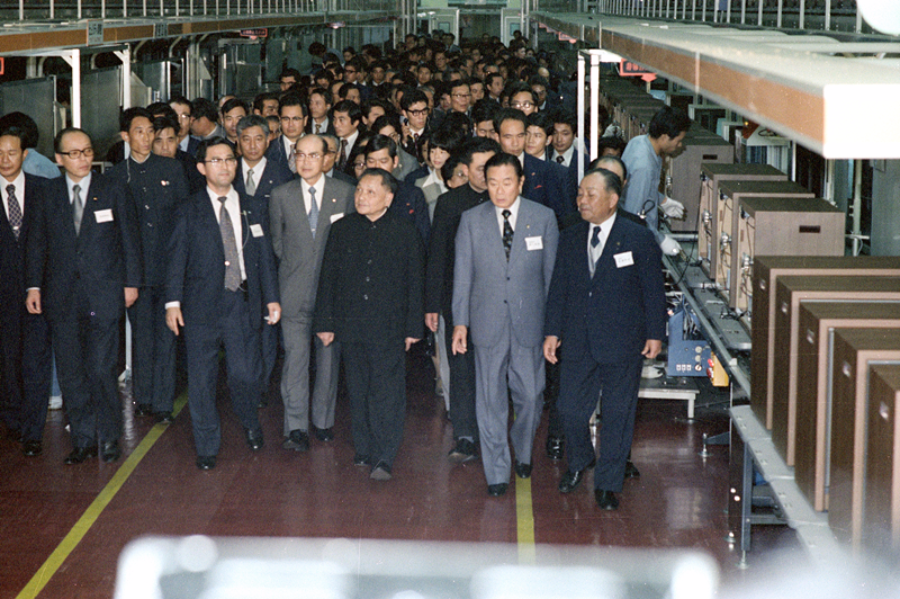
          Deng Xiaoping in Panasonic's television factory in Osaka in 1978. Courtesy of Panasonic Corporation

          Matsushita also came up with a plan to establish a joint venture, the Japan-China Electronic Industries Federation, with the aim of promoting the modernization of China's electronics industry.

          Back in Japan, Matsushita visited other electronics heavyweights in an attempt to persuade them to invest in China. Having little knowledge of China, they turned him down.

          Their ignorance was understandable. There was little understanding between the two peoples then, as China and Japan had only normalized diplomatic relations in 1972.

          In 1980, Matsushita, then 85, visited Beijing to give a briefing on his failure, and Deng is said to have told him, "Never mind, we are still friends."

          Deng assured Matsushita that China was resolute about staying on the path to opening-up.

          Moved by Deng's words, Matsushita decided on the spot that Panasonic would set an example to other Japanese companies by forging a trailblazing partnership with the Chinese. Picture tubes, a core component of color TVs, which China would need to import, were chosen as the first item in the deal.

          The collaboration started with Panasonic investing heavily in setting up a picture tube factory in Beijing, ushering in four decades of the company's business in China.

          Panasonic did face hurdles, not the least of which was the fact that Japan belonged to the Coordinating Committee for Multilateral Export Controls, an organization through which the United States and its allies exercised control over strategic materials and technology that could be exported to Communist bloc countries.

          In September 1987, the company and Beijing's municipal authorities finally opened Beijing Matsushita Color CRT. The factory's first products would be 21-inch color picture tubes. But before they could roll off the assembly line, one other important step was necessary.

          Panasonic has a management ethos that encourages "developing people before making products", and all 250 Chinese employees chosen to work on the first production line were sent to Japan for training for six months. Finally, in June 1989, almost nine years after Deng's visit to the Panasonic factory in Ibaraki-and just a few weeks after Matsushita died at the age of 94-the first China-made picture tubes were completed in Beijing.

          The joint venture made a profit in the first year, and the industrialists who had rejected Matsushita's overtures years before finally got the message. Other Japanese companies began to follow Panasonic's lead, embarking on their own journeys of fortune in China.

          Akio Tanii, 90, Panasonic's chairman from 1986 to 1993, said: "Matsushita's decision to invest in China testifies to his extraordinary strength of character. He reckoned that making money was something all companies must aspire to. However, he also believed that a company's activities should benefit society."

          When President Hu Jintao visited Japan in May 2008, it was only natural that the Panasonic headquarters should be on his itinerary, and there he lauded Matsushita's contribution to China's modernization drive.

          China is now Panasonic's global manufacturing hub. The joint project in Beijing was a cornerstone of its subsequent strategy and led to the establishment of 79 factories in China employing nearly 60,000 people. These plants rang up 50 billion yuan ($7.4 billion) in sales last year. Panasonic has poured huge resources into these factories, producing consumer products, setting up research and development departments and coming up with a business-to-business strategy.

          "As China's economy developed, its leaders opened up the country and soaked up technologies from around the globe," said Tanii, a former chairman of the Osaka chapter of the Japan-China Friendship Association.


          |<< Previous 1 2 3 4 Next   >>|
          Konosuke Matsushita
          Founder of Matsushita Electric
          Known in Japan as "the god of management", Konosuke Matsushita was a man of vision.

          He was born in 1894, the youngest child in a family of 10.

          Matsushita was sent to Osaka to be an apprentice in a charcoal brazier shop at the age of 9. With harsh experience in his early days, Matsushita always looked at difficult times with great optimism to learn, improve and strengthen himself. He started his own company, Matsushita Electric, at the age of 22.

          He excelled as an innovator and a leader, turning his company into an electronics giant. Matsushita Electric's success led to visits from foreign VIPs such as United States attorney general Robert Kennedy and Indian prime minister Indira Gandhi, and the media also embraced Matsushita. He was featured in Life magazine in September 1954, and appeared on the cover of Time magazine in February 1963, bringing Matsushita Electric to worldwide prominence.

          He retired as company chairman in 1973. Five years later, he spent 7 billion yen (equal to about $32 million at the time) of his own money to build the Matsushita Institute of Government and Management in the hope of training future leaders. Its graduates include people working in a wide range of fields, from politics to business, media, research and education.

          Matsushita died in 1989 at age 94.

          The tour that helped change a nation

          An unlikely friendship between two men whose countries had once been implacable enemies helped put China on the road to modernity
          Cai Hong
          Deng Xiaoping in Panasonic's television factory in Osaka in 1978. Courtesy of Panasonic Corporation

          Matsushita also came up with a plan to establish a joint venture, the Japan-China Electronic Industries Federation, with the aim of promoting the modernization of China's electronics industry.

          Back in Japan, Matsushita visited other electronics heavyweights in an attempt to persuade them to invest in China. Having little knowledge of China, they turned him down.

          Their ignorance was understandable. There was little understanding between the two peoples then, as China and Japan had only normalized diplomatic relations in 1972.

          In 1980, Matsushita, then 85, visited Beijing to give a briefing on his failure, and Deng is said to have told him, "Never mind, we are still friends."

          Deng assured Matsushita that China was resolute about staying on the path to opening-up.

          Moved by Deng's words, Matsushita decided on the spot that Panasonic would set an example to other Japanese companies by forging a trailblazing partnership with the Chinese. Picture tubes, a core component of color TVs, which China would need to import, were chosen as the first item in the deal.

          The collaboration started with Panasonic investing heavily in setting up a picture tube factory in Beijing, ushering in four decades of the company's business in China.

          Panasonic did face hurdles, not the least of which was the fact that Japan belonged to the Coordinating Committee for Multilateral Export Controls, an organization through which the United States and its allies exercised control over strategic materials and technology that could be exported to Communist bloc countries.

          In September 1987, the company and Beijing's municipal authorities finally opened Beijing Matsushita Color CRT. The factory's first products would be 21-inch color picture tubes. But before they could roll off the assembly line, one other important step was necessary.

          Panasonic has a management ethos that encourages "developing people before making products", and all 250 Chinese employees chosen to work on the first production line were sent to Japan for training for six months. Finally, in June 1989, almost nine years after Deng's visit to the Panasonic factory in Ibaraki-and just a few weeks after Matsushita died at the age of 94-the first China-made picture tubes were completed in Beijing.

          The joint venture made a profit in the first year, and the industrialists who had rejected Matsushita's overtures years before finally got the message. Other Japanese companies began to follow Panasonic's lead, embarking on their own journeys of fortune in China.

          Akio Tanii, 90, Panasonic's chairman from 1986 to 1993, said: "Matsushita's decision to invest in China testifies to his extraordinary strength of character. He reckoned that making money was something all companies must aspire to. However, he also believed that a company's activities should benefit society."

          When President Hu Jintao visited Japan in May 2008, it was only natural that the Panasonic headquarters should be on his itinerary, and there he lauded Matsushita's contribution to China's modernization drive.

          China is now Panasonic's global manufacturing hub. The joint project in Beijing was a cornerstone of its subsequent strategy and led to the establishment of 79 factories in China employing nearly 60,000 people. These plants rang up 50 billion yuan ($7.4 billion) in sales last year. Panasonic has poured huge resources into these factories, producing consumer products, setting up research and development departments and coming up with a business-to-business strategy.

          "As China's economy developed, its leaders opened up the country and soaked up technologies from around the globe," said Tanii, a former chairman of the Osaka chapter of the Japan-China Friendship Association.

          主站蜘蛛池模板: 国产无人区码一区二区| 亚洲最大福利视频网| www.亚洲国产| 一本色道久久88综合日韩精品| 97人妻中文字幕总站| 大陆一级毛片免费播放| 99riav国产精品视频| 光棍天堂在线手机播放免费| 俺去啦网站| 激情综合网五月激情五月| 久久精品这里热有精品| 制服丝袜长腿无码专区第一页| 成人3d动漫一区二区三区| 欧美成本人视频免费播放| 被灌满精子的少妇视频| 最近中文字幕mv在线视频2018| 国产国产午夜福利视频| 欧美激情综合色综合啪啪五月| 少妇乳大丰满在线播放| 黑人玩弄人妻中文在线| 99久久亚洲综合精品成人网| 国产一区二区精品自拍| 国产啪视频免费观看视频| 精品国产一区二区色老头| 综合激情网一区二区三区| 无人区码一码二码三码区| 日韩中文字幕av有码| 亚亚洲视频一区二区三区| 熟妇人妻中文a∨无码| 国产欧美另类精品久久久| 中文字幕在线看视频一区二区三区| 九九久久人妻一区精品色| 中文字幕有码免费视频| 成人亚欧欧美激情在线观看| 国产精品免费观看色悠悠| 国产福利视频区一区二区| 久久久精品人妻一区二区三区| 国产一区二区黄色在线观看| 美乳丰满人妻无码视频| 国产毛片基地| 中文字幕丰满乱子无码视频|