



Nuclear option for warm homes?







Ain't I glad to report more glad tidings on the energy front, having celebrated in my previous column in late November China's arguably irreversible shift to green/renewable energy sources like wind, solar and natural gas from excessive dependence on coal.
If winter doesn't choke anymore (as coal is used less for heating), then summer, it seems, will turn freakish, blow hot and blow cold, making me wonder if low-cost, low energy-consuming alternatives to air conditioners would be possible at all in the future.
Be that as it may. In a little over seven months since I went gaga over China's "green power tide", China's embrace of cleaner energy options has got tighter.
Nuclear power has continued to emerge as a priority area. The argument that it is one of the most stable and economical alternatives for producing cheap and sustainable electricity is getting stronger by the day.
It seems like a no-brainer. Compared with other fuels including coal and natural gas, a 400-megawatt nuclear power unit can warm 200,000 urban households.
It comes as no surprise therefore that Shandong, Hebei and Jilin provinces, which see substantial demand for heating during winter, have evinced deep interest in nuclear power solutions.
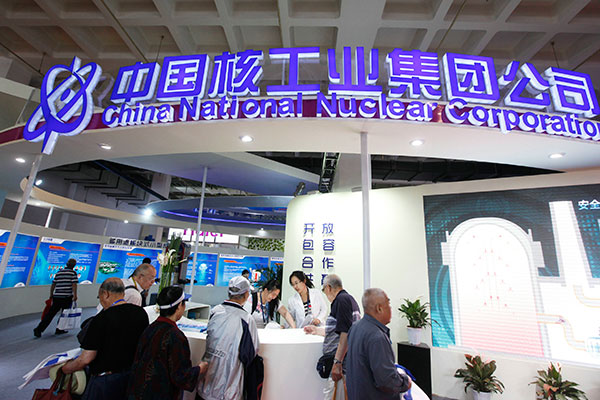
China National Nuclear Corp, one of the country's largest nuclear power companies, has already introduced the low-temperature heating reactor DHR-400 to serve residential consumers, in a bid to further replace coal-fired boilers in the country.
The company has conducted a successful 168-hour trial run in Beijing for DHR-400 at the end of last year. Industry insiders said CNNC has been supplying heat to some institutions and office buildings successfully for three years now.
Not to be outdone, China General Nuclear Power Corp, China's largest nuclear power operator, and Tsinghua University have agreed to conduct preliminary work on the construction of a nuclear energy heating demonstration project in China.
They draw encouragement from the fact that there is already a great deal of experience in using nuclear energy for district heating abroad. On top of that, a large amount of research and development work on nuclear heating has been carried out already in China.
Some believe that with all the preparatory work ready, commercialization of nuclear energy will be the next stage. Others believe a scenario where nuclear power helps heat up winters in northern China may still be years, if not decades, away.
For, challenges abound: planning and site selection; land and water use; emergency plans for crisis management; public safety concerns; and what have you.
Molding positive public opinion on using nuclear power for domestic purposes is easier said than done these days. That's because many countries like Japan, Germany and Switzerland have abandoned their nuclear power project plans, in the wake of the Fukushima Daiichi nuclear disaster in March 2011.
It's not easy to persuade more than 500 million Chinese consumers that the nuclear reactors to be used to heat up their homes in the future, would work better than coal. The government is keen on using the safest and most efficient technology.
But experts caution it'd be best not to rush headlong, without first addressing public concerns about potential risks. It's also necessary that CGN and CNNC should do their utmost to prove safety and reliability of their technologies before deploying them on a large scale, they said.
CGN, which has invited 600,000 people to its base since it started "open days" in 2013, recently allowed 30 couples to take free wedding photos at the Daya Bay plant, China's largest nuclear power base. The event showcased the base's scenery and introduced some citizens to nuclear power.
It was an imaginative attempt to quell fears about-nuclear energy, and showed it's necessary new technologies are not deployed too quickly, and public concerns about related factors are allayed effectively.




















