More and better jobs for developing nations







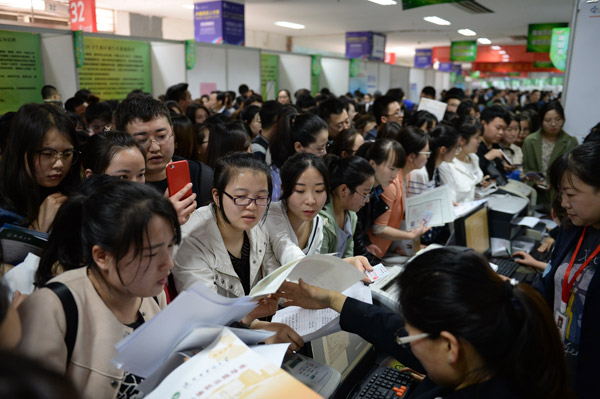
Job creation is an immense global challenge. More than 200 million people worldwide are unemployed, many of them young people. Another 2 billion working age adults-mostly women-remain outside the workforce.
With the world's population growing rapidly, 600 million more jobs will need to be created during the next 15 years. Sub-Saharan Africa alone will need 11 million new jobs a year through 2030. In many places, the need for jobs will intensify social and political pressures, contributing to international migration. Above all, job creation will be the key factor for developing countries to reduce poverty, improve people's lives, and reach the Sustainable Development Goals by 2030.
Creating more and better jobs requires economic transformation: moving workers from lower to higher productivity activities. It also means a spatial transformation with urbanization pulling villagers into secondary towns and cities. This shift will need to be led by the private sector, the main engine of job growth. For this to happen on a large enough scale, we need to look at what has worked best to create jobs, focusing on sectors that have the highest potential.
Agriculture still accounts for almost 70 percent of total employment in low-income countries. A central challenge for agriculture and the food system is to generate high value-added jobs across the value chain, especially for women and youth.
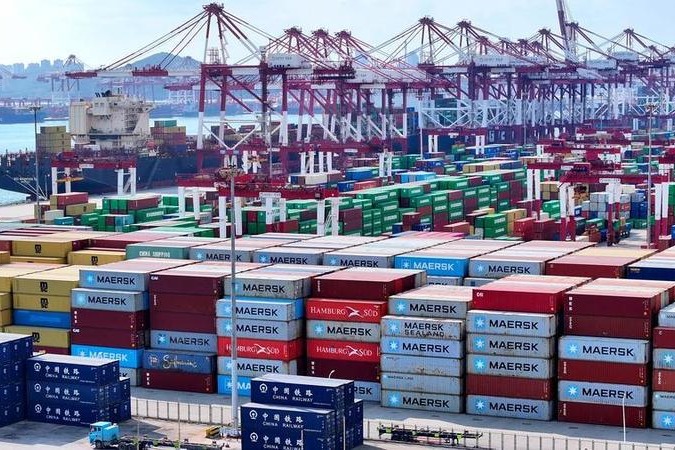
Manufacturing, which has driven economic growth in many countries, is changing with new technologies and shifting patterns of globalization. While some industries remain feasible entry points for low-skill employment, technological innovations could cause substantial job losses. The World Bank's recent study, "Trouble in the Making: The Future of Manufacturing-Led Development", urges that we consider economies' competitiveness, capabilities and connectedness against shifting international trade patterns, market demands and financial strengths.
Beyond these traditionally important sectors, it is essential to harness the technological innovation and entrepreneurship that the digital age has unleashed. As startups and digital platforms mushroom across the world, from Silicon Valley to Beijing's Zhongguancun to Kenya's "silicon savannah", there are amazing examples of how innovations are creating new and different jobs.
Governments need to take public policy actions to create an enabling environment. They need to invest in education, from early childhood to adulthood, to build the human capital needed for a rapidly evolving global economy. They need to build quality infrastructure to connect domestically and globally. And they need to set up the right ecosystem for private investments, especially for smaller businesses and entrepreneurs.
"Jobs and Economic Transformation" has become a special theme for the International Development Association, the World Bank Group arm that works with the world's 75 poorest countries, reflecting a shared sense of urgency among our donor partners and clients. The World Bank Group has a long-standing commitment in understanding and tackling the challenges of job creation and economic transformation. Our research and knowledge sharing help IDA borrowers learn from successful examples of creating jobs on a sustained basis.
China's experience is one such example. In recent decades, China has succeeded in creating millions of employment opportunities and absorbing millions of new entrants into its labor market, while transforming its economy and society. China's path offers useful lessons for others. As it moves higher on the global value chain, China is also creating fresh opportunities for other developing countries.
We are working with partners, in China and globally, to share lessons of job creation and economic transformation and use them to support other developing countries. By looking closely at these successes, we can identify what governments can do to generate incomes and create jobs, by engaging the private sector and unleashing people's energy and creativity. Only if we work together can the international community unlock the human and economic potential of our countries, through more and better jobs.
The author is World Bank vice-president of development finance.