



Tai chi may be more effective than aerobic exercise to relieve pain: study







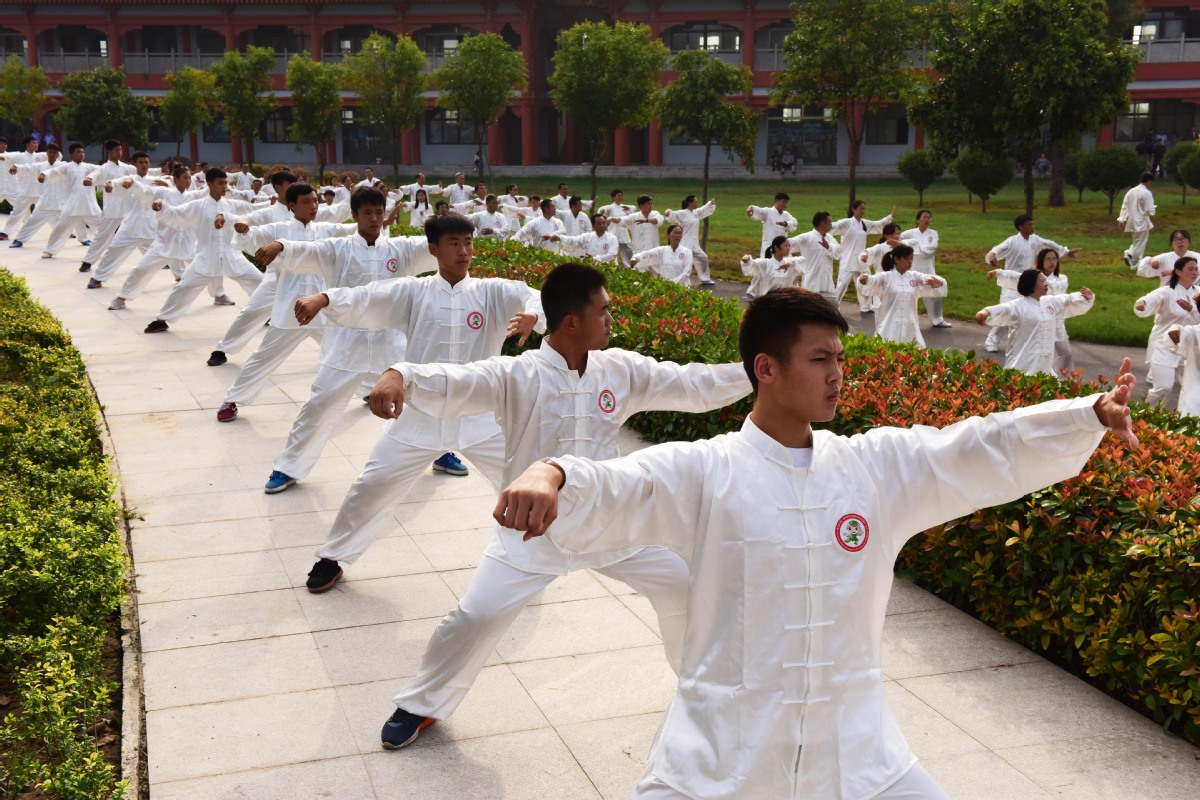
WASHINGTON -- A trial published by The BMJ on Wednesday said the ancient martial art of tai chi had similar or greater benefits than aerobic exercise for people with the chronic pain condition fibromyalgia.
Fibromyalgia is a long-term condition that causes widespread body pain. It may also lead to extreme tiredness, muscle stiffness, difficult sleeping and depression. It affects around 2-4 percent of the adult population worldwide.
Aerobic exercise is currently recommended as a standard treatment, but many patients find it difficult to exercise due to fluctuations in symptoms.
A team from Tufts University compared the effectiveness of tai chi with aerobic exercise. They identified 226 adults with fibromyalgia who had not participated in tai chi or other similar types of complementary and alternative medicine within the past six months.
The average age of participants was 52 years, 92 percent were women, 61 percent were white, and average duration of body pain was nine years.
At the start of the trial, participants completed the fibromyalgia impact questionnaire (FIQR), which scores physical and psychological symptoms such as pain intensity, physical function, fatigue, depression, anxiety, and overall well-being.
Participants were then randomly assigned to either supervised aerobic exercise twice weekly for 24 weeks or to one of four tai chi interventions: 12 or 24 weeks of supervised tai chi completed once or twice weekly.
Changes in symptom scores were assessed at 12, 24 and 52 weeks and participants were able to continue routine drugs and usual visits to their physicians throughout the trial.
FIQR scores improved in all five treatment groups at each assessment, but the combined tai chi groups improved significantly more than the aerobic exercise group at 24 weeks.
Tai chi also showed greater benefit when compared with aerobic exercise of the same intensity and duration.
Those who received tai chi for 24 weeks showed greater improvements than those who received it for 12 weeks, but there was no significant increase in benefit for those who received tai chi twice weekly compared with once weekly.
The effects of tai chi were consistent across all instructors and no serious adverse events related to the interventions were reported.
"The biologic mechanisms by which tai chi might affect the clinical course of fibromyalgia remain unknown. But tai chi may act through many intermediate variables along the pathway to improved health outcomes," Wang Shenshen, the lead author told Xinhua.
"Physical exercise has been shown to increase muscle strength and blood lactate levels in some patients with fibromyalgia. Mind-body interventions may improve psychosocial well-being, increase confidence, and help patients overcome fear of pain," she said.
Wang added that the controlled breathing and movements promote a restful state and mental tranquility, which may raise pain thresholds and help break the "pain cycle."
"All these components may influence neuroendocrine and immune function as well as neurochemical and analgesic pathways that lead to enhanced physical, psychological, and psychosocial well-being and overall quality of life in patients with fibromyalgia," Wang said.
The researchers point to some limitations. For example, participants were aware of their treatment group assignment, and attendance differed between the two treatment groups, both of which could have influenced the results.
However, key strengths include the large and diverse sample and longer follow-up than previous studies.


Most Popular
- Guangdong beats Macao 2-0 in first leg of soccer cup
- Para teams set to leave mark on ice
- US skier Johnson wins women's downhill as Vonn crashes at Milan-Cortina Games
- Su Yiming clinches first medal at Milano-Cortina
- Over 300 athletes from 35 countries and regions kick off Asian championships in Tianjin
- Legacy of Beijing 2022 lives on as Milan welcomes Games